Follow Me On Social Media!
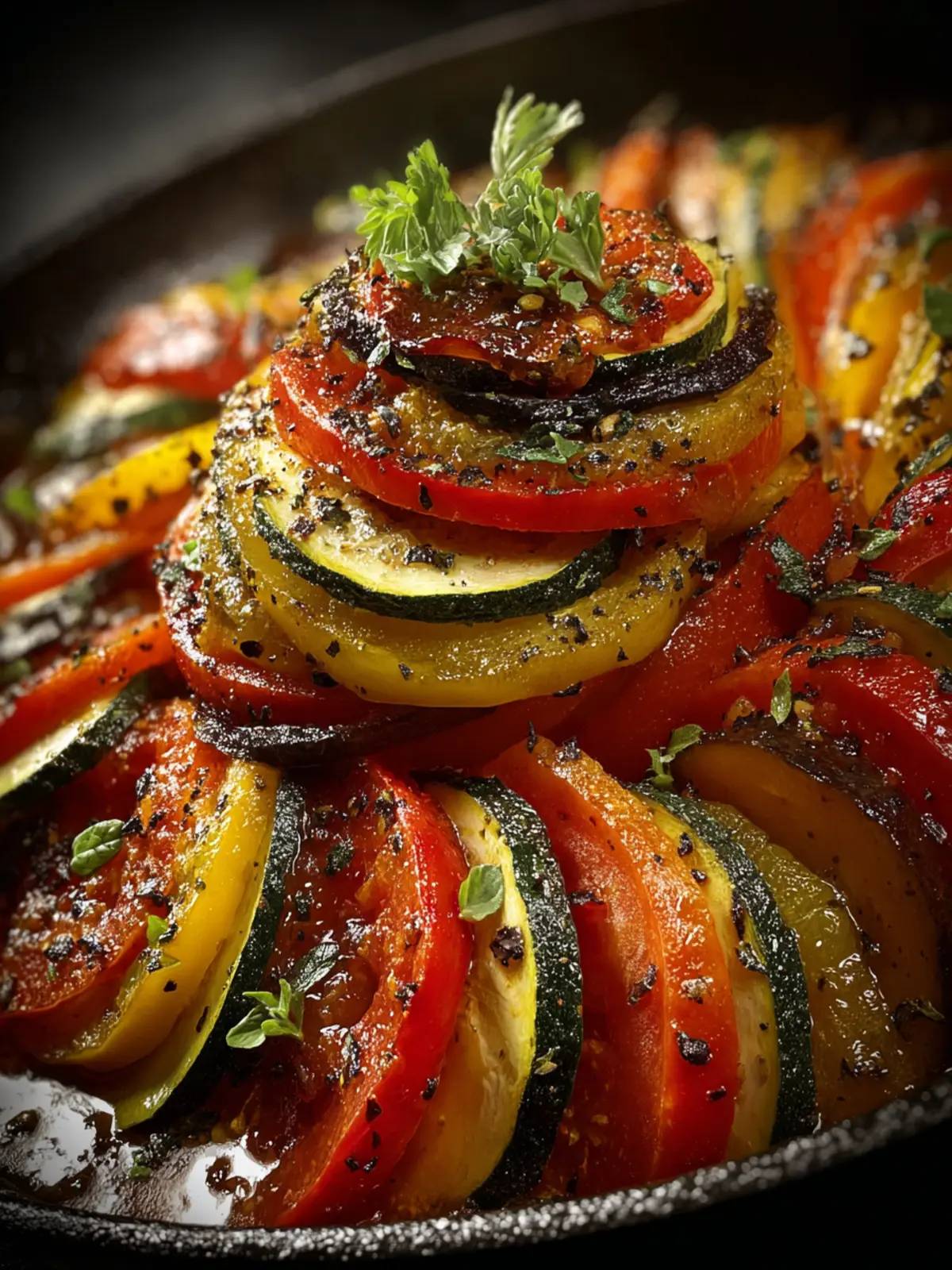
Ratatouille Recipe: Easy, Colorful Comfort That Delights

Introduction to Ratatouille
Ratatouille, a beautiful medley of colorful vegetables, invites you to explore the essence of French cuisine right in your own kitchen. This dish isn’t just a recipe but a story of comfort, tradition, and a celebration of seasonal produce. Originating from Provence, ratatouille embodies the simple, rustic flavors of sun-ripened vegetables, presenting a perfect harmony of taste that warms both the heart and the home.
What makes ratatouille a timeless dish? At its core, ratatouille is about more than just ingredients; it’s a reflection of culinary creativity passed down through generations. Each bite carries with it a connection to the vibrant regions of France, where farmers would gather fresh produce from their gardens to create something truly special. This dish challenges home cooks to embrace culinary improvisation, allowing for variations in flavors and presentation that suit individual tastes and the seasons.
When you prepare this ratatouille recipe, you’re engaging with the colors and textures of vegetables like zucchini, bell peppers, eggplant, and tomatoes. But what truly sets ratatouille apart is its adaptability. Whether you prefer it chunky or blended into a smooth sauce, served warm, or enjoyed cold as a salad, every adaptation offers a unique taste of the Mediterranean.
Additionally, ratatouille is inherently healthy—packed with vitamins, minerals, and antioxidants that come naturally from the vegetables. It’s quick to prepare, making it an ideal entry point for anyone looking to whip up a delightful meal without a hefty time commitment. Plus, whether you aim to impress your dinner guests or nourish your family, ratatouille always shines on the plate.
Get ready to embark on your own culinary journey with this classic dish, celebrating the fresh, local ingredients that make ratatouille an enduring favorite in kitchens around the world. As you gather your ingredients, imagine the flavors blossoming together in your pot, each one complimenting the other beautifully.
Now, let’s dive into the delicious details of this ratatouille recipe and look at the key ingredients that bring it to life!
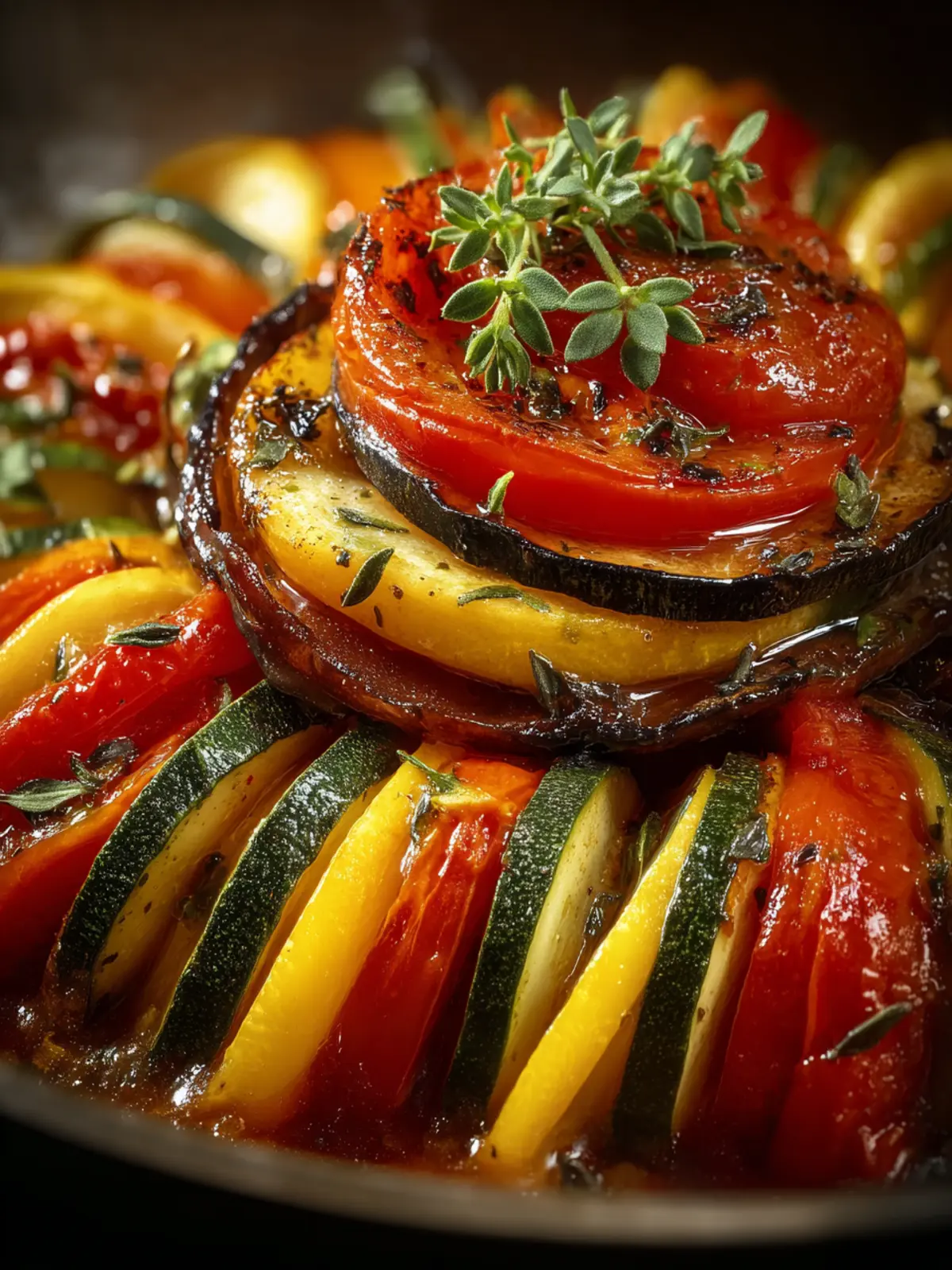
Key Ingredients for Ratatouille
Creating a delightful ratatouille recipe goes beyond just following steps; it’s about choosing the freshest ingredients that bring your dish to life. Each element plays a vital role in crafting a harmonious blend of flavors.
Fresh Vegetables
The star of any ratatouille is undoubtedly the vegetables. I prefer using a colorful array—zucchini, eggplant, bell peppers, tomatoes, and onions. Choosing firm, ripe produce ensures that the dish bursts with natural flavors. Try to go for in-season veggies whenever possible for the best taste!
Olive Oil
A generous drizzle of high-quality extra virgin olive oil is crucial. It adds richness and a smooth texture to the dish, elevating its taste. I always think of it as the secret ingredient that unites everything beautifully.
Garlic and Herbs
Garlic provides a savory backbone, while a mix of fresh herbs like thyme, basil, and oregano brings aromatic depths. Using fresh herbs makes a noticeable difference and gives your ratatouille that authentic French flair.
Salt and Pepper
These may seem basic, but a pinch of salt enhances the natural flavors of the vegetables, while freshly cracked pepper adds that bit of heat.
Enjoy crafting your own ratatouille recipe—the love and care you put into selecting these ingredients will shine through in every delicious bite!
Why You’ll Love This Ratatouille
Every time I prepare this ratatouille recipe, I’m transported to the sun-drenched markets of Provence, where every vegetable sings with flavor. This dish isn’t just a medley of vegetables; it’s a celebration of summer’s bounty that will leave your taste buds buzzing and your heart warm.
A few reasons why this ratatouille will steal your heart:
-
Vibrant Flavors: Each bite introduces you to a harmonious blend of fresh vegetables—like delicate zucchini, luscious eggplant, and sweet bell peppers—cooked to a tender perfection. The rich aroma of tomatoes and herbs elevates the experience, making it feel like a homemade hug after a long day.
-
Health Benefits: Packed with vitamins and antioxidants, this dish is not only delicious but nutritious. It’s an excellent way to incorporate more veggies into your diet without sacrificing taste.
-
Versatility: Whether you serve it as a main course, a side, or even as a stunning topping on grilled bread, this ratatouille adapts beautifully to any meal. You can enjoy it hot, cold, or even as a flavorful filling for a savory crepe.
So, ready to embrace the warmth and flavor of this ratatouille recipe? It will quickly become a staple in your kitchen routine.
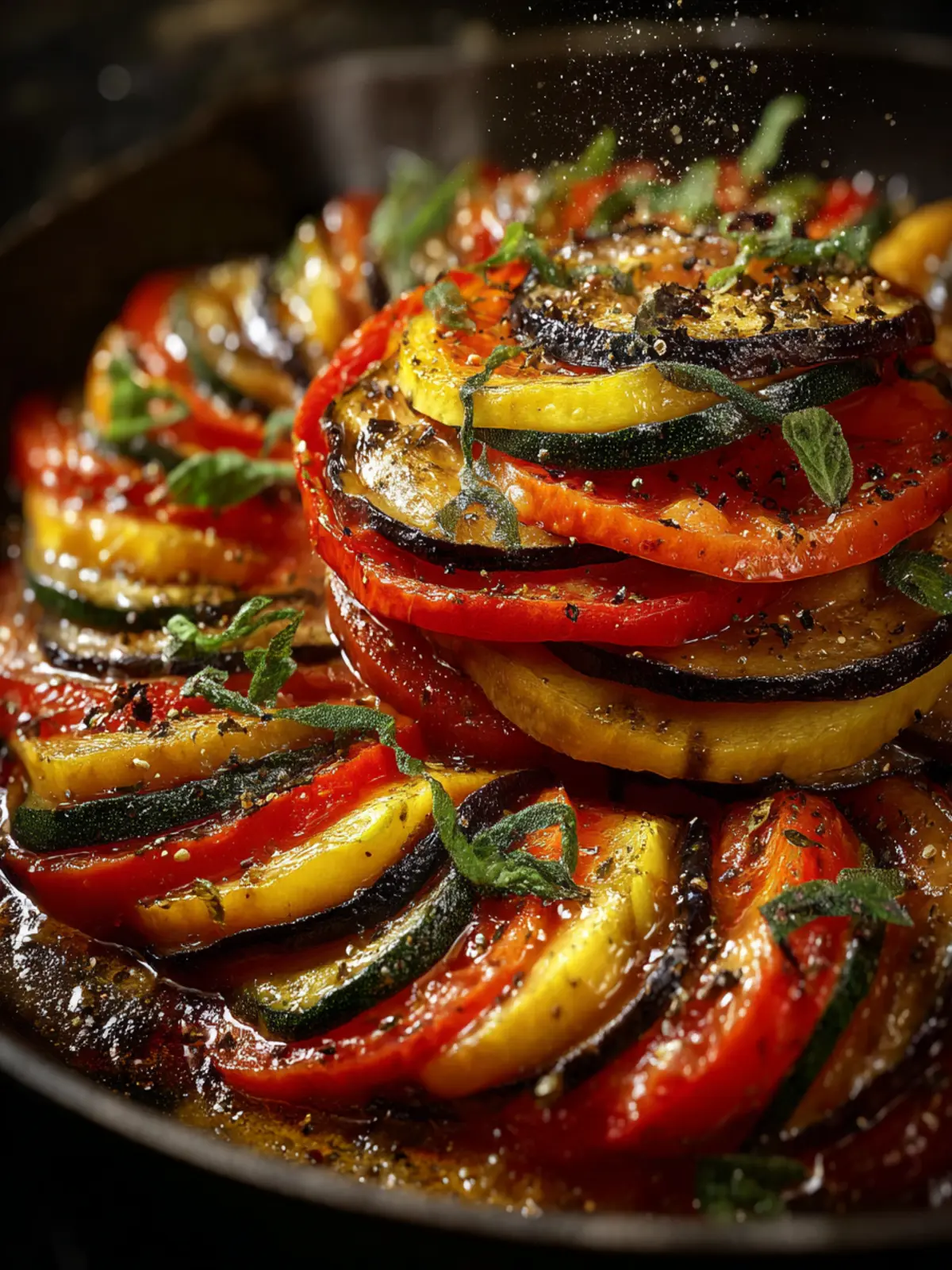
Variations of Ratatouille
Ratatouille, with its vibrant medley of vegetables, offers a canvas for creativity in the kitchen. Each ratatouille recipe tells a story of flavor and seasonality, inviting you to swap in your favorite ingredients or explore regional twists.
Classic Provencal Ratatouille
The traditional version isn’t just about the ingredients; it’s a heartfelt homage to the Provence region of France. This classic dish typically includes zucchini, eggplant, bell peppers, tomatoes, and onions. Slowly simmering these veggies allows their natural flavors to meld beautifully, resulting in a comforting dish full of rustic charm.
Ratatouille La Provençale
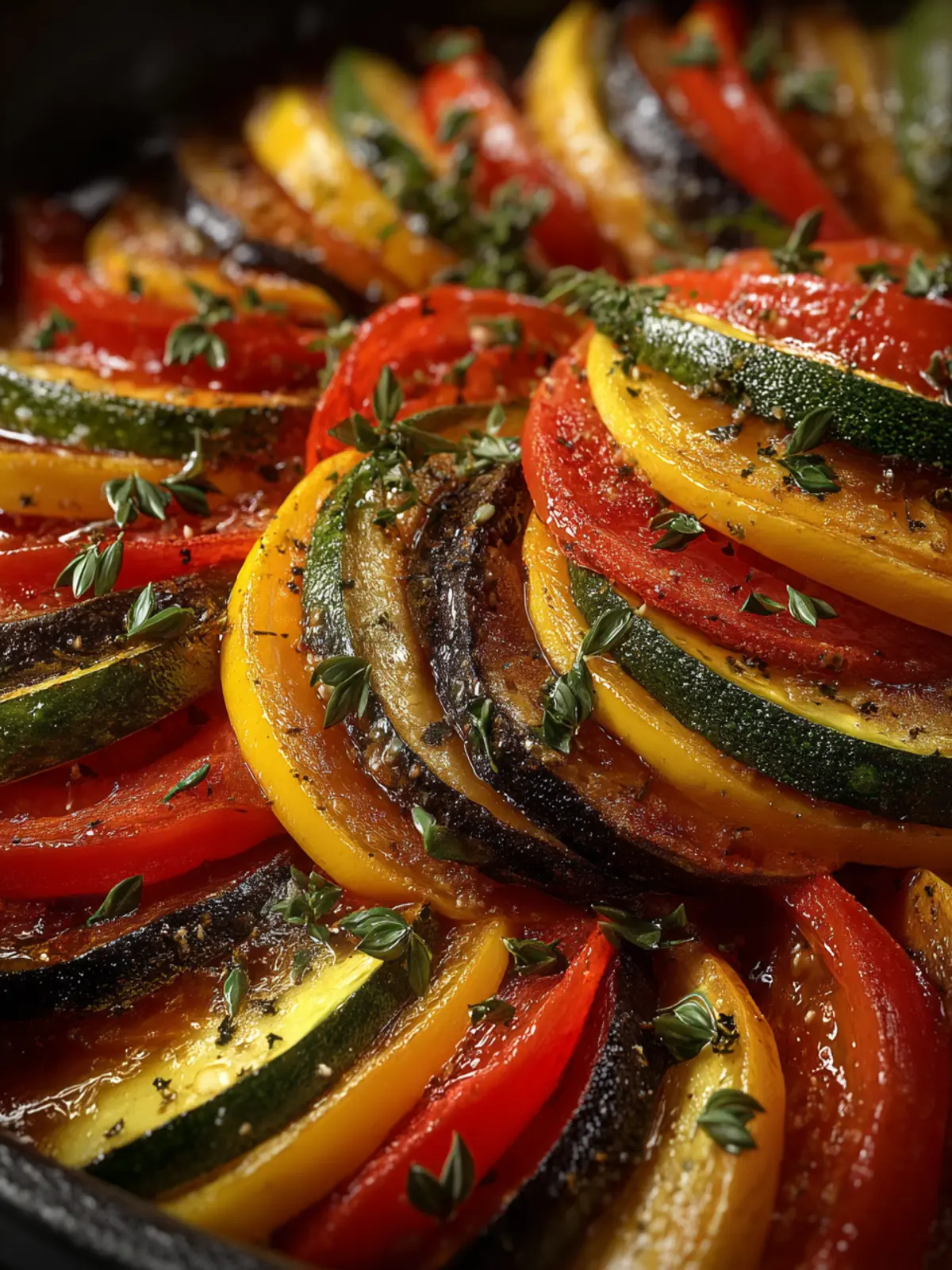
Imagine a ratatouille with a twist! In this variant, you can layer the vegetables beautifully in a spiral pattern, creating a stunning presentation. A drizzle of basil-infused olive oil elevates the dish, turning a simple ratatouille into a showstopper for dinner parties.
Mediterranean Influence
If you want to infuse your ratatouille with some Mediterranean flair, consider adding feta cheese or kalamata olives. This nuanced touch enriches the flavor profile, making every bite a delightful exploration of tastes and textures.
Ratatouille with Grains
For a heartier option, try incorporating quinoa or farro into your ratatouille. This not only adds a satisfying chew but also boosts the nutritional value, making it a fulfilling vegetarian entrée that you’ll love sharing with friends.
Ratatouille Variations in Casserole Form
Baking your ratatouille in a casserole dish can create a warm, bubbly delight that’s perfect for gatherings. Top it with a layer of cheese or breadcrumbs for that golden crust, making it a comforting dish that’s both elegant and delicious.
There you have it! Feel free to experiment with these variations to make your ratatouille uniquely yours. Each bite will be a testament to your culinary imagination.
Cooking Tips and Notes for Ratatouille
Crafting a delightful ratatouille recipe is more than just following a list of ingredients; it’s about allowing the flavors of vibrant vegetables to shine. Here are some friendly cooking tips to help you on this culinary journey.
Choosing Your Vegetables
- Fresh is Best: For an authentic taste, choose fresh vegetables like zucchini, eggplant, bell peppers, and tomatoes. Seasonal produce will offer the best flavor and color.
- Sizing Matters: Aim for uniform sizes so they cook evenly. Dicing your veggies into about 1-inch pieces helps ensure consistent cooking.
The Magic of Herbs
- Herbs de Provence: This classic French blend enhances the dish beautifully. If you can find fresh herbs, such as basil and thyme, they can elevate the ratatouille recipe with their fragrant oils.
- Timing for Flavor: Add sturdy herbs like rosemary early in the cooking process, while delicate herbs like basil should be added towards the end to retain their fresh aroma.
Layering Flavors
- Sautéing is Key: Start by sautéing onions and garlic; this foundational step unlocks deeper flavors. Consider using olive oil for its health benefits and rich taste.
- Cook in Batches: If you’re making a large quantity, it’s best to cook the vegetables in batches. This prevents overcrowding, allowing for a beautiful caramelization that adds complexity to the dish.
Perfecting Texture
- Avoid Mushiness: To keep your vegetables nice and firm, don’t overcook them. Aim for a tender yet slightly crisp texture, allowing the natural flavors to shine through.
By taking these cooking tips into account, you’ll create a ratatouille that’s not just tasty but also bursting with colorful ingredients and rich flavors. Enjoy the process, and let your creativity flow!
Serving Suggestions for Ratatouille
When you create a delightful ratatouille recipe, the wonderful colors and rich flavors deserve just the right setting for serving. Picture this: you’ve crafted a medley of vegetables bursting with nutrients, and now you want to elevate that experience. Here are some thoughtful serving suggestions that will make your dish shine even brighter.
Pair It with the Perfect Side
- Crusty Baguette: Serve your ratatouille with slices of fresh, crusty baguette. The bread soaks up the aromatic juices beautifully.
- Steamed Rice or Quinoa: For a heartier meal, consider a fluffy bed of rice or quinoa. It takes the flavors to another level and adds a satisfying grain to the mix.
Elevate with Protein
- Grilled Chicken or Fish: A light protein such as grilled chicken or fish blends perfectly with the veggies, adding a touch of sophistication to your meal.
- Chickpeas or Lentils: If you’re feeling plant-based, adding roasted chickpeas or lentils offers a boost of protein while keeping it healthy.
Delightful Presentation
- Herb Garnish: A sprinkle of fresh herbs like basil or parsley not only enhances flavor but also adds a vibrant touch to the plate.
- Serve Warm or Cold: Ratatouille is versatile; try it warm as a side dish or cooled as a refreshing salad component on hot days.
These simple yet effective serving options will not only complement your ratatouille recipe but also enhance the overall dining experience. Enjoy!
Time Breakdown for Ratatouille
Ratatouille is more than just a dish; it’s a story of simple ingredients coming together to create something extraordinary.
Preparation Time
The beauty of this ratatouille recipe lies in its simplicity, and you won’t need to spend hours in the kitchen. Prepare your veggies in about 20 minutes. Slice your eggplant, zucchini, bell peppers, and tomatoes while you enjoy your favorite playlist or podcast. Don’t forget to finely chop some onions and garlic for that aromatic twist!
Cooking Time
Once your prep work is done, cooking takes around 40 minutes. Sauté the onions and garlic to create a traditional base, and then watch as the vibrant colors of the veggies meld together. The slow cooking allows the flavors to develop beautifully, resulting in that classic Mediterranean taste.
Total Time
In total, you’ll be looking at about 1 hour of your time. Just think of it as an hour spent creating a dish that pays homage to the rustic flavors of Provence. Enjoy the process, and savor each moment as your kitchen fills with delightful aromas!
Nutritional Facts for Ratatouille
Creating a delightful ratatouille recipe not only pleases the palate but also offers a wealth of nutrition that can contribute to a healthy lifestyle. With its medley of vibrant vegetables, this classic French dish can be both satisfying and nourishing.
Calories
A serving of ratatouille typically contains around 100-150 calories. This makes it a fantastic option for those looking to enjoy a hearty meal without the guilt of excess calories.
Protein
While ratatouille is primarily vegetable-based, it still contributes approximately 3-4 grams of protein per serving. Pairing it with whole grains or legumes can significantly enhance your protein intake.
Carbohydrates
Ratatouille offers a modest carbohydrate content, roughly 10-15 grams per serving. The carbs mainly come from the fresh vegetables, providing essential energy without overwhelming your diet.
Fiber
One of the standout features of ratatouille is its fiber content, which can range from 4 to 6 grams per serving. This helps promote digestive health and keeps you feeling full longer, making it an excellent choice for anyone looking to maintain or lose weight.
Incorporating ratatouille into your meal plan not only treats your taste buds but also supports your nutritional goals!
FAQs about Ratatouille
Ratatouille is more than just a delicious vegetable medley; it’s a canvas for your creativity in the kitchen! Whether you’re preparing it for a cozy dinner or impressing friends during a dinner party, you might have lingering questions. Let’s dive into some common inquiries about this classic ratatouille recipe.
What if I don’t have some of the ingredients?
No worries! Ratatouille is versatile. If you don’t have zucchini, try using bell peppers or eggplant instead. Fresh herbs can be swapped with dried ones, just use about a third of the amount. If you’re missing tomatoes, canned ones work. Experimenting is part of the fun!
Can I make Ratatouille ahead of time?
Absolutely! Making it ahead allows the flavors to meld beautifully. Prepare your ratatouille recipe a day in advance, let it cool, and store it in the fridge. The next day, simply reheat it gently before serving.
How do I store leftovers?
After enjoying your delicious meal, store any leftovers in an airtight container. It’ll keep well in the refrigerator for up to three days. Just remember to let it cool completely before storing to avoid condensation, which can make it soggy.
What are some side dishes that pair well with Ratatouille?
Ratatouille shines next to crusty bread or complements grilled chicken perfectly. You could also serve it atop polenta for a comforting dish or alongside a simple green salad for a lighter option.
Is Ratatouille suitable for freezing?
Definitely! If you’ve made a larger batch, you can freeze ratatouille. Place it in freezer-safe containers and it can last up to three months. Just thaw it overnight in the fridge and reheat it before enjoying again!
Conclusion on Ratatouille
Embracing the timeless ratatouille recipe is not just about savoring a dish; it’s about experiencing a symphony of flavors that tell a story of rustic French cuisine. As you prepare this vibrant vegetable medley, you’re not just cooking—you’re sharing a piece of culinary heritage. Whether you serve it as a main dish or a delightful side, the warm aroma will fill your kitchen and heart. Next time you gather with friends or family, bring this delightful dish to the table and watch as it sparks conversation and joy. Remember, food tastes best when shared, and ratatouille is here to bring everyone together.
Print
Ratatouille
- Total Time: 50 minutes
- Yield: 4 servings 1x
- Diet: Vegetarian
Description
This Ratatouille is a vibrant mix of vegetables simmered together, perfect for a hearty meal.
Ingredients
Scale
- 2 medium zucchini, sliced into even rounds or bite-sized pieces
- 1 large eggplant, sliced into even rounds or bite-sized pieces
- 2 bell peppers (any color), sliced into even rounds or bite-sized pieces
- 4 medium tomatoes, chopped
- 1 large onion, peeled and finely chopped
- 3 cloves garlic, peeled and finely chopped
- 3 tablespoons olive oil, plus extra for drizzling
- Salt, to taste
- Freshly ground black pepper, to taste
- Optional: splash of balsamic vinegar
- 1 teaspoon fresh thyme leaves
- 5–6 fresh basil leaves, torn
- 1 teaspoon fresh rosemary, finely chopped
Instructions
- Wash and slice the zucchini, eggplant, bell peppers, and tomatoes into even rounds or bite-sized pieces for consistent cooking. Peel and finely chop the onion and garlic to form the flavorful base.
- Heat olive oil in a large pan or skillet over medium heat, then add the chopped onion and garlic. Cook until translucent and fragrant, creating a savory foundation for your Ratatouille.
- Sauté the slices of eggplant, zucchini, and bell peppers one by one until lightly golden and tender. Cooking them individually helps each vegetable keep its texture and flavor vibrant without becoming mushy.
- Once all vegetables are sautéed, combine them in the pan with the chopped tomatoes, fresh herbs, salt, and pepper. Let the mixture gently simmer on low heat for about 20-30 minutes to meld the flavors together beautifully.
- Adjust seasoning to taste. For an extra layer of flavor, drizzle a little more olive oil or add a splash of balsamic vinegar before serving. Your Ratatouille is now ready to delight your taste buds!
Notes
- This dish can be served warm or at room temperature.
- Feel free to add other seasonal vegetables to the Ratatouille.
- Prep Time: 20 minutes
- Cook Time: 30 minutes
- Category: Vegetarian
- Method: Stovetop
- Cuisine: French
Nutrition
- Serving Size: 1 cup
- Calories: 200
- Sugar: 5g
- Sodium: 300mg
- Fat: 10g
- Saturated Fat: 1g
- Unsaturated Fat: 9g
- Trans Fat: 0g
- Carbohydrates: 25g
- Fiber: 7g
- Protein: 4g
- Cholesterol: 0mg