Follow Me On Social Media!
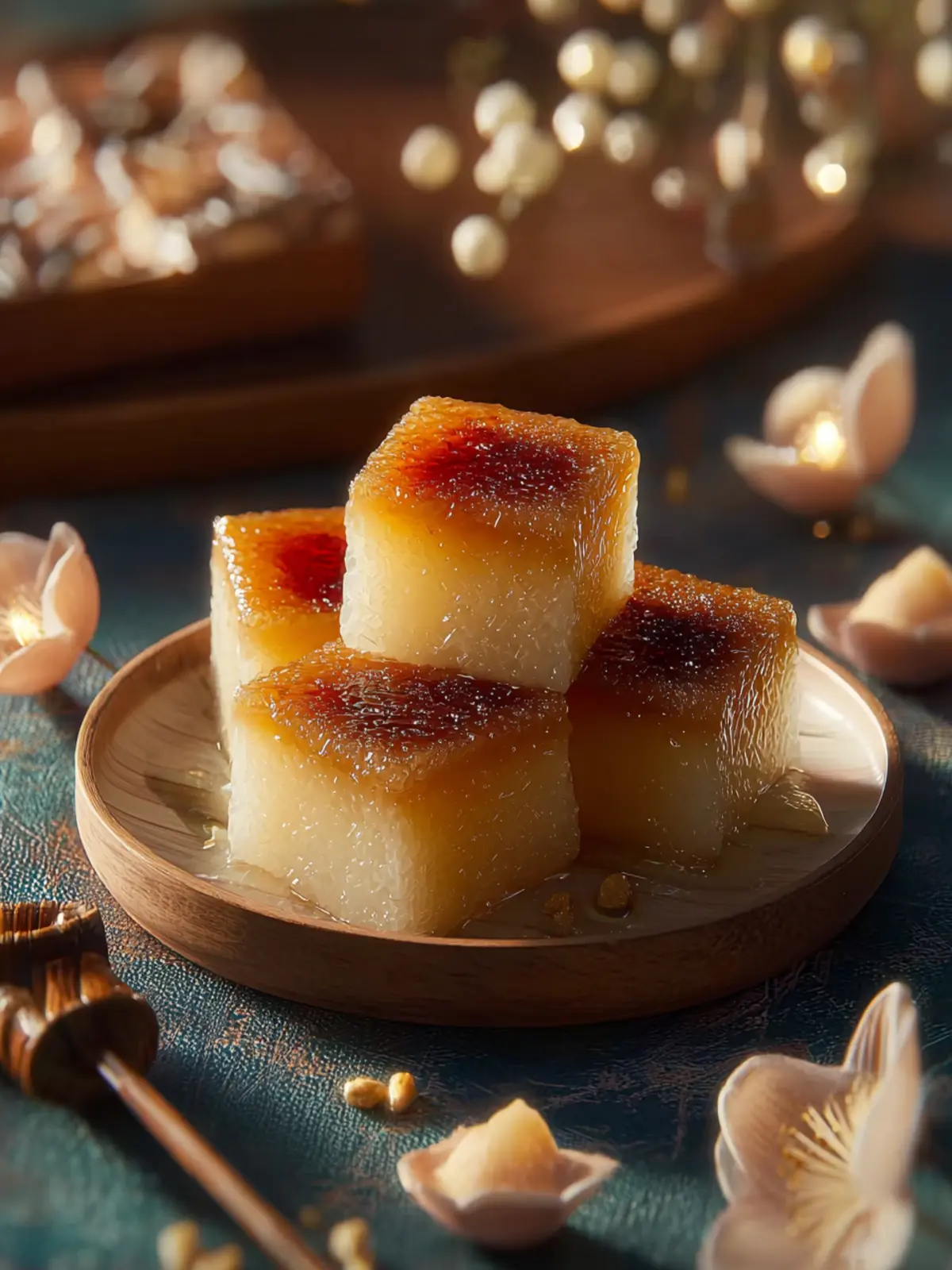
Nian Gao: Indulge in Chewy Mochi Cake for Good Fortune

Introduction to Nian Gao: Enjoy Chewy Mochi Cake That Guarantees Good Fortune
Imagine the joy of savoring a rich, chewy mochi cake that not only delights your taste buds but also promises good fortune. Enter Nian Gao, a traditional Chinese delicacy steeped in history and culture, most often enjoyed during festivals like the Lunar New Year. This humble yet enchanting dessert embodies the spirit of celebration, making it a perfect addition to your festive gatherings.
What makes Nian Gao uniquely special?
What truly sets Nian Gao apart is its unique texture and the cultural significance that accompanies it. Crafted from glutinous rice flour, this cake has a satisfying chewiness that makes every bite an experience. Unlike many conventional cakes, Nian Gao has a dense yet tender consistency, which comes from steaming rather than baking.
One of the fascinating aspects of Nian Gao is its symbolism. In Mandarin, “Nian” can mean “year,” while “Gao” sounds like “tall” or “high,” representing aspirations for growth and progress in the new year. Thus, sharing this delightful cake with friends and family is believed to usher in prosperity and good luck.
The versatility of Nian Gao adds to its charm. You can enjoy it sweet, with fillings like red bean paste or coconut, or savory, stir-fried with vegetables and meats for a comforting meal. Whether you’re a fan of its traditional flavor or prefer experimenting with new fillings, the possibilities are endless.
Additionally, making your own Nian Gao at home can be a fulfilling experience. The process brings a little magic into your kitchen; measuring, mixing, and steaming transforms simple ingredients into a beautiful cake full of history and promise. Plus, it’s the perfect conversation starter at gatherings!
Join me on this culinary adventure as we explore the recipe for this delightful mochi cake, ensuring you can bring a slice of good fortune to your table!

Key Ingredients for Nian Gao
Nian Gao, a beloved traditional treat, has a history dating back centuries and symbolizes prosperity and family unity during celebrations. To create this chewy, mochi-like cake, you’ll want to gather a few essential ingredients that come together to create a delightful texture and flavor.
-
Glutinous Rice Flour: This is the star of your Nian Gao. The unique properties of glutinous rice flour give it that signature chewy texture. Ensure you’re using this specific flour, as regular rice flour won’t yield the same results.
-
Water: Simple yet vital, water is mixed with glutinous rice flour to form a smooth batter. The right amount is crucial; too much will lead to a soggy cake, while too little can yield a dry outcome.
-
Brown Sugar: For sweetness, brown sugar adds a lovely caramel flavor, enhancing the overall taste. It also contributes to the cake’s rich color, making it visually appealing.
-
Cooking Oil: A small amount of oil helps ensure that your Nian Gao releases easily from the dish after steaming. It also adds a touch of moisture to the cake.
-
Optional Fillings: While traditional Nian Gao is enjoyed plain, consider adding fillings such as red bean paste or nuts for added flavor and texture.
Gather these key ingredients, and you’ll be on your way to making this chewy, delightful cake that not only tastes great but also carries good fortune!
Why You’ll Love This Nian Gao
Nothing quite compares to the experience of savoring Nian Gao, a delightful mochi cake steeped in tradition and bursting with flavor. It’s not just a dish; it’s a celebration of resilience and prosperity, often enjoyed during the Lunar New Year. Imagine the joyous gatherings, the laughter, and the incredible chewy texture of this cake that makes it a true comfort food for many.
Here’s why you’re going to fall head over heels for this recipe:
-
Chewy Goodness: One of the most alluring aspects of Nian Gao is its unique, chewy texture. Each bite offers a tantalizing resistance that’s unlike any other cake. Once you taste it, you might find yourself craving it regularly!
-
Versatile Flavors: The opportunities are endless when it comes to flavors. Whether you opt for the classic version or experiment with accompaniments like coconut or red bean, each variation introduces delightful nuances to your palate.
-
Symbolic Tradition: Enjoying Nian Gao is steeped in cultural significance, representing good fortune and growth. Preparing this dish allows you to share in a rich tapestry of heritage and family values, making every bite feel like a blessing.
-
Perfect for Sharing: This cake is best enjoyed with loved ones, making it a perfect centerpiece for gatherings. Its inviting aroma and beautiful presentation make it a hit at any celebration, bringing everyone together for a slice of happiness.
As you embark on this culinary adventure, you’ll discover that making Nian Gao is more than just a recipe; it’s crafting a moment of joy and togetherness.
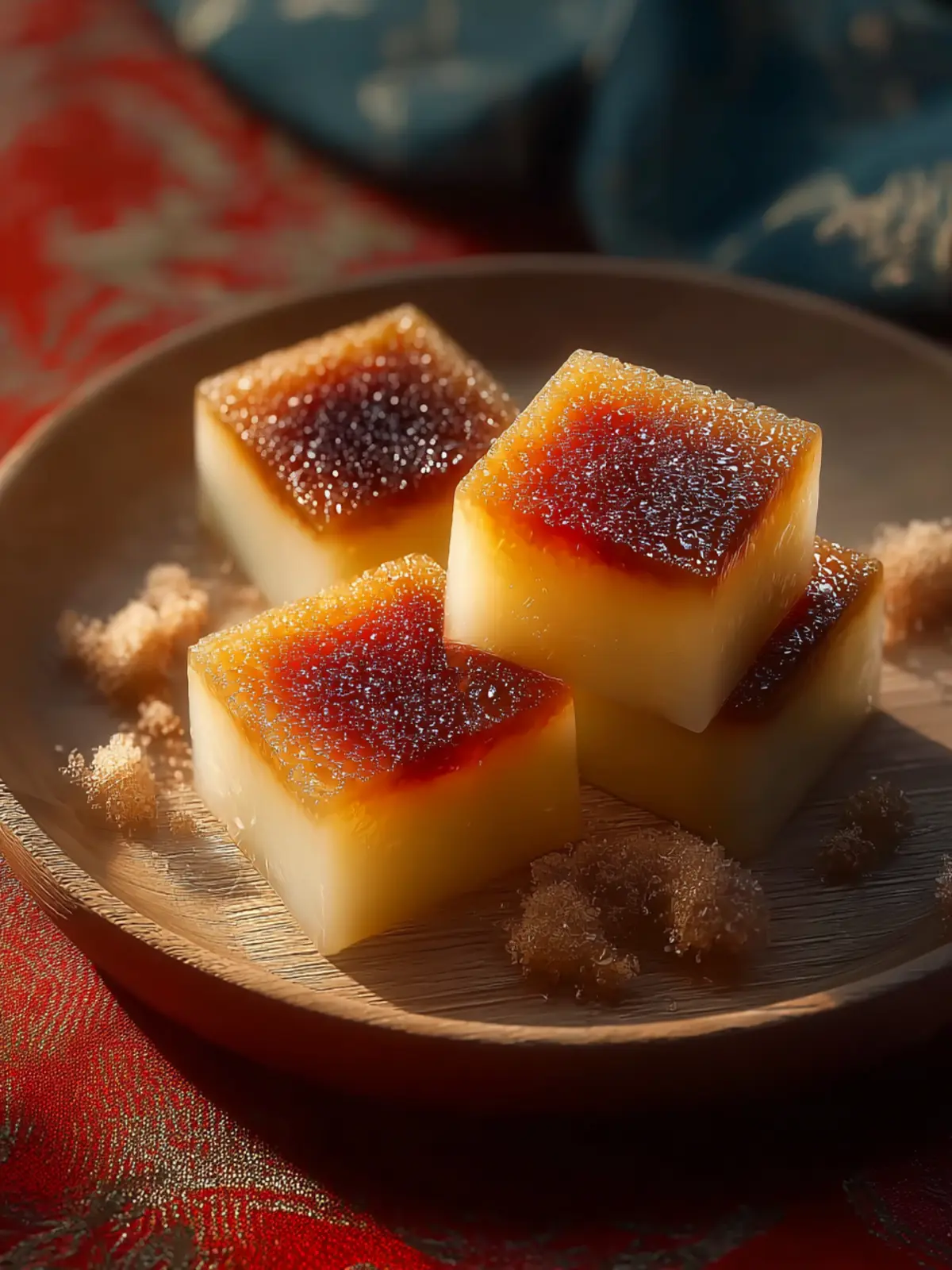
Variations of Nian Gao
Exploring the world of Nian Gao opens up a delightful array of flavors and textures, making this traditional dish anything but ordinary. If you’re eager to experiment in the kitchen, consider these delightful variations to personalize your Nian Gao experience.
Sweet Variations
-
Red Bean Paste Nian Gao: Adding red bean paste creates a sweet and earthy flavor that complements the chewy texture beautifully. Just introduce a layer of sweetened red bean paste in the middle or on top before steaming for an added dimension.
-
Coconut Nian Gao: Incorporating coconut milk into the dough provides a tropical twist. You can either replace some of the water with coconut milk or sprinkle grated coconut on top before steaming for that extra flair.
Savory Takes
-
Savory Chive and Ham Nian Gao: For a savory delight, stir in chopped chives and diced ham or mushrooms into the batter. This version makes a fantastic side dish or light meal option.
-
Pork and Mushroom Filling: You might also experiment by adding a filling of seasoned ground pork and shiitake mushrooms. This creates a heartiness that transforms Nian Gao into a satisfying main dish.
Regional Styles
Different regions have their specialties when it comes to Nian Gao. For example, in some Chinese communities, you’ll find a more robust, glutinous rice cake that’s often fried after steaming, giving it a crispy exterior. Whether you lean towards sweet, savory, or a blend of both, the variations of Nian Gao are endless, allowing you to celebrate tradition in your unique way.
Dive into these variations, and you’ll discover an exciting and personal journey in every bite.
Cooking Tips and Notes for Nian Gao
Making Nian Gao, a delightful chewy mochi cake, can be a rewarding experience, especially when you keep a few handy tips in mind to elevate your baking game.
Selecting the Right Flour
When it comes to crafting the perfect Nian Gao, the choice of flour is vital. I recommend using glutinous rice flour, as it creates that signature chewy texture. Skip regular rice flour; it won’t yield the same delightful results. If you’re gluten-free, glutinous rice flour is naturally gluten-free and makes a fabulous alternative!
Steaming vs. Baking
While some recipes for Nian Gao suggest baking, steaming is the traditional method that preserves the cake’s moisture. Consider using a bamboo steamer for authentic flavor; the added aroma from the bamboo lends an extra depth in taste.
Consistency Check
To achieve that ideal chewy texture, strive for a batter that’s thick but pourable. If it’s too runny, your cake may collapse. On the flip side, if it’s too thick, it won’t steam properly. A gentle stir should help you find that sweet spot.
Storage for Success
If you’re lucky enough to have leftovers of your Nian Gao, store them in an airtight container in the fridge. It can be enjoyed over several days, and the flavor continues to develop. For an easy snack, slice and pan-fry the leftover cake with a touch of oil for a crispy finish that balances its chewy interior.
With an understanding of these Nian Gao tips, you’re well on your way to creating a treat that not only satisfies your taste buds but also brings a slice of tradition to your kitchen.
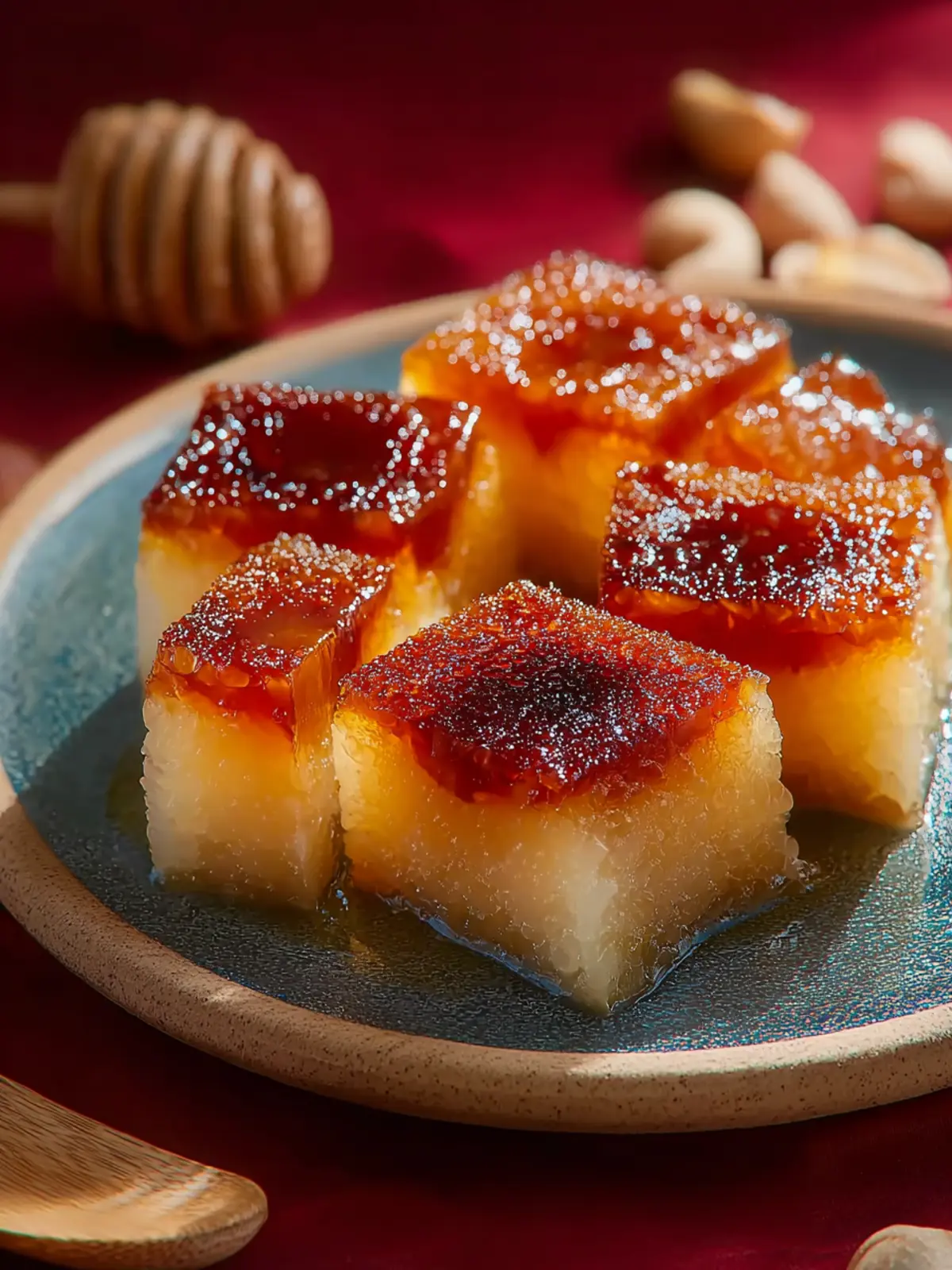
Serving Suggestions for Nian Gao
When it comes to Nian Gao, there’s a world of flavors and textures waiting to be explored. This beloved mochi cake isn’t just a delightful treat; it’s a versatile dish that suits various occasions and personal tastes.
Enjoy It Sweet or Savory
- Sweet Toppings: Serve Nian Gao with a drizzle of condensed milk or a generous sprinkle of shredded coconut. For those who enjoy fruit, top with fresh strawberries or mango slices for a burst of brightness.
- Savory Pairings: Try frying slices of Nian Gao until golden brown and pairing them with soy sauce or sweet chili sauce. This combination highlights the chewy texture while adding a savory twist that makes it perfect as an appetizer or a snack.
Creative Presentation
- Stack and Serve: Layer slices on a decorative platter for a stunning visual presentation. You might even place edible flowers around the dish for an elevated touch.
- Wrap for Delight: For a fun twist, wrap small slices of Nian Gao in crispy fried tofu skins or lettuce leaves, offering a delightful contrast in textures.
No matter how you choose to serve it, Nian Gao promises joy and good fortune in every bite.
Time Breakdown for Nian Gao
Creating a delightful Nian Gao is not just about the end result; it’s about savoring each step along the way. When you prepare this traditional chewy mochi cake, you’re engaging in a rich cultural experience that brings good fortune to your celebrations.
Preparation Time:
Set aside about 20 minutes for prep. This includes mixing the ingredients and preparing your baking dish. It’s a great time to enjoy some music or brew a cup of tea while you work.
Baking Time:
Once you pop your Nian Gao into the oven, it will need approximately 40-50 minutes to bake. Be sure to keep an eye on it—it should be firm to touch and a light golden brown on top.
Total Time:
In total, you will need around 60-70 minutes to bring your Nian Gao to life. The wait is absolutely worth it when you finally take that first chewy bite!
Nutritional Facts for Nian Gao
When diving into the delightful world of Nian Gao, it’s essential to understand its nutritional profile, especially if you’re looking to enjoy this chewy mochi cake mindfully. This traditional treat not only brings good fortune but also has specific nutritional benefits.
Calories:
A typical serving of Nian Gao contains around 200 calories. This makes it a satisfying dessert option without overindulging.
Protein:
In terms of protein, you’ll find roughly 3 grams per serving. While it’s not a protein powerhouse, it does contribute to your daily intake when paired with other nutritious foods.
Sodium:
Lastly, Nian Gao is relatively low in sodium, averaging just 10 milligrams per serving, which makes it a heart-healthy choice to savor during special occasions.
Enjoy this sweet dish guilt-free, knowing it’s a tasty way to celebrate culture and community!
FAQ about Nian Gao
Curiosity about Nian Gao often sparks interest among those looking for a delightful way to celebrate traditions and enjoy a chewy treat. This beloved cake, often served during the Lunar New Year, has a rich history that ties closely to cultural customs and the joy of new beginnings.
What is the origin of Nian Gao?
Nian Gao, translating to “year cake,” originates from ancient China and symbolizes growth and progress for the coming year. Traditionally made from glutinous rice flour, this cake has deep connections to family and heritage. As families come together to celebrate the Lunar New Year, enjoying Nian Gao represents a wish for prosperity and good fortune. Many believe that the act of eating this cake enhances one’s luck, making it a staple during these festive times.
Can I make Nian Gao ahead of time?
Absolutely! Nian Gao can be made a few days in advance. Just ensure it’s stored properly in an airtight container in the fridge. Before serving, you can re-steam it to revive its delightful chewy texture. Some enthusiasts even find that the flavor improves after a day or two. So, prepping ahead makes your celebrations smoother without compromising taste!
What are some serving ideas for Nian Gao?
- Nian Gao* can be enjoyed in various ways, making it a versatile addition to your table:
- Sliced and served plain: Enjoy it fresh out of the steamer for a simple treat.
- Pan-fried: For an extra crunch, slice and pan-fry it until golden brown and crispy.
- In soups or stews: Add chunks into savory dishes for a unique twist.
- Sweet toppings: Drizzle with sweetened coconut milk or a dusting of powdered sugar for a dessert-like finish.
Serving it this way not only enhances the Nian Gao experience but also offers delightful variations that keep your festivities lively!
Conclusion on Nian Gao
Creating Nian Gao isn’t just about making a delicious chewy mochi cake; it’s also about embracing a tradition that symbolizes good fortune and prosperity. As you enjoy this delightful treat, take a moment to appreciate its rich history and cultural significance. Whether prepared for Lunar New Year celebrations or simply as a sweet indulgence, Nian Gao will surely become a beloved addition to your culinary repertoire. Don’t shy away from experimenting with flavors or presentations; the beauty of this dish lies in its versatility. So gather your loved ones, share this delightful cake, and toast to love, luck, and happiness!
Print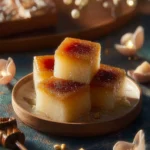
Coconut Rice Cake
- Total Time: 45 minutes
- Yield: 8 servings 1x
Description
A delicious coconut rice cake that is chewy and full of flavor.
Ingredients
Scale
- 2 cups Glutinous Rice Flour
- 1 cup Sugar
- 3 large Eggs
- 1 cup Coconut Milk
- 1 teaspoon Baking Powder
- 4 tablespoons Butter
- to taste Optional Flavorings (vanilla, sesame, citrus zest)
Instructions
- Preheat your oven to 350°F (175°C) and generously grease a baking dish.
- Whisk together the eggs and sugar in a large mixing bowl until well combined.
- Mix in the melted butter or oil, followed by the coconut milk.
- Combine the glutinous rice flour and baking powder gradually.
- Pour the batter into your prepared baking dish. Bake for about 30-35 minutes.
- Cool the cake for 10-15 minutes before slicing it into squares.
Notes
- For additional flavor, consider adding vanilla extract or citrus zest.
- Prep Time: 10 minutes
- Cook Time: 35 minutes
- Category: Dessert
- Method: Baking
- Cuisine: Asian
Nutrition
- Serving Size: 1 square
- Calories: 200
- Sugar: 12g
- Sodium: 100mg
- Fat: 8g
- Saturated Fat: 5g
- Unsaturated Fat: 2g
- Trans Fat: 0g
- Carbohydrates: 28g
- Fiber: 1g
- Protein: 3g
- Cholesterol: 80mg