Follow Me On Social Media!
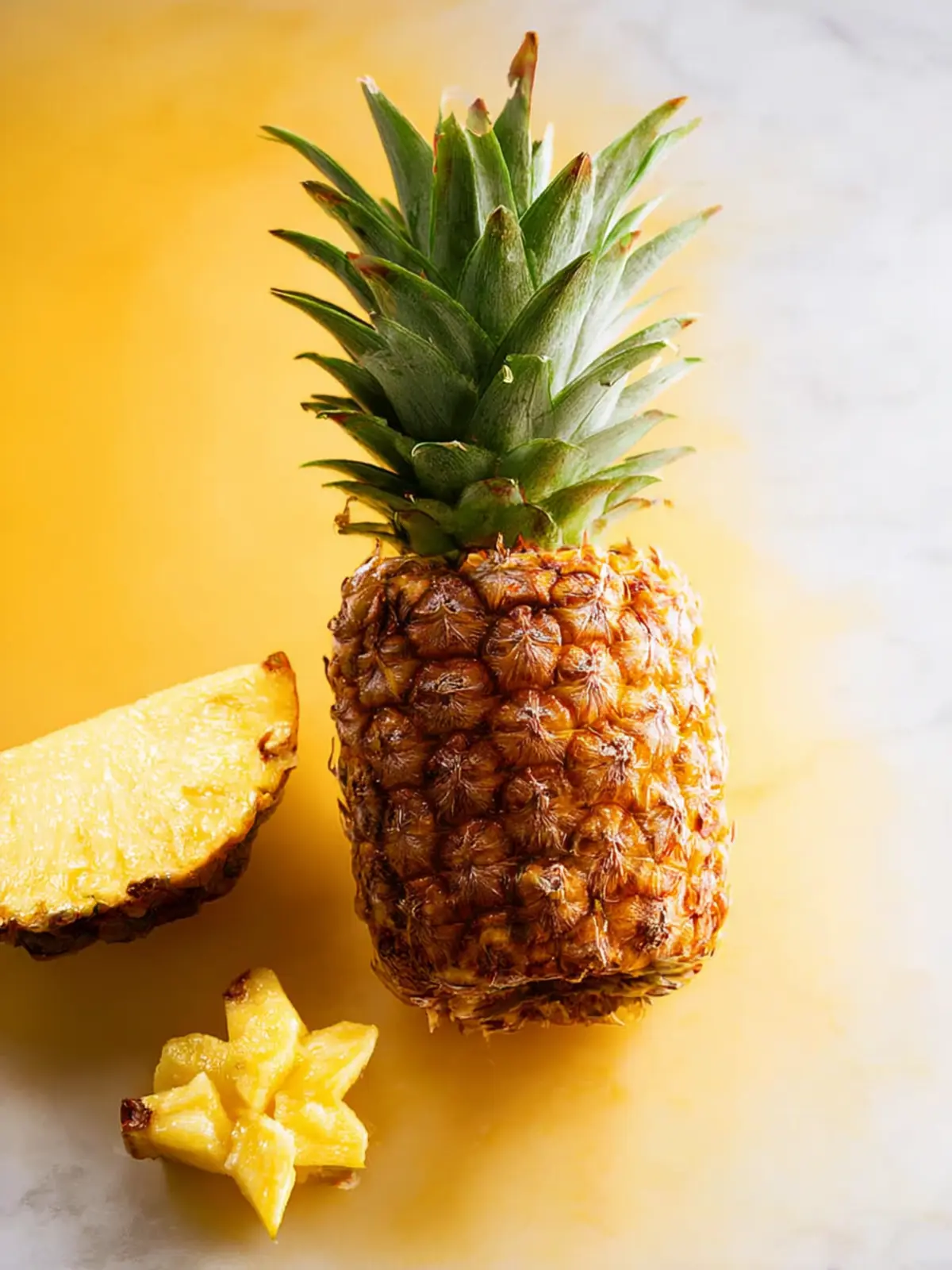
How to Cut a Pineapple: Easy Steps for Juicy Perfection

Introduction to How to Cut a Pineapple
Learning how to cut a pineapple can feel daunting, but what if I told you that it’s actually an enjoyable and straightforward process? Imagine having a juicy, sweet slice of fresh pineapple on a warm summer day—it’s hard to resist that tropical vitality! As someone who always loved tropical fruits but seldom took the plunge into cutting them, I can relate to the hesitation many have. Believe me when I say that the thrill of mastering this technique is its own reward. Soon, you’ll be adding fresh pineapple to smoothies, summer salads, and even your favorite desserts.
Pineapples are not just delicious; they are packed with vitamins, enzymes, and antioxidants that can boost your health. With a little practice, you’ll become a pro at cutting pineapple in no time. The key is to create a system that minimizes waste while maximizing your delicious yields.
The first thing you’ll want to tackle is the preparation. With just a sharp knife, a sturdy cutting board, and a bit of space, you’ll be ready. Here’s a simple breakdown to make it fun:
- Choose a ripe pineapple: Look for one that’s slightly soft to the touch and has a sweet aroma at the base.
- Trim the top and bottom: Cut off the top crown and the base to create a flat surface for stability.
- Remove the skin: Cut the skin away in downward strokes, making sure to remove the eyes (the little brown spots) as you go.
- Slice into rings or chunks: Depending on your preferences, you can slice the pineapple into rings or chop it into bite-sized chunks.
Before you know it, you’ll not only be confident in how to cut a pineapple, but also eager to incorporate this bright fruit into your meals! Stay tuned for the step-by-step video guide to see these techniques in action, and let’s unlock the sweet potential of this tropical treasure together.
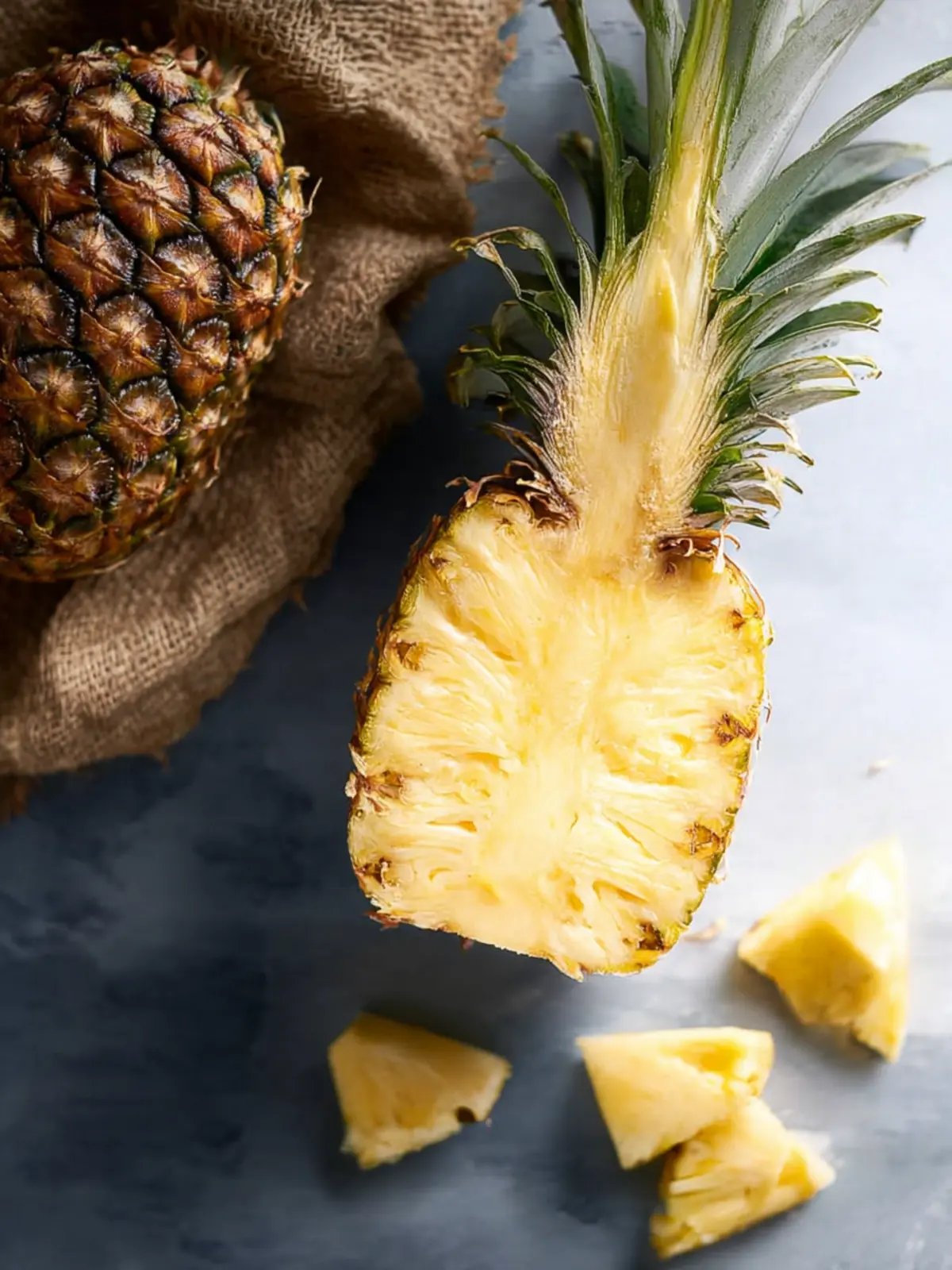
Key Ingredients for Cutting a Pineapple
Pineapple: The star of the show is undoubtedly the fresh pineapple. Selecting a ripe fruit is crucial; look for a vibrant color and a slight give when squeezed. If you snag one that’s overly ripe, it may be too soft, while one that’s too green might lack the sweetness you’re seeking.
Cutting Board: A stable, large cutting board is essential for safety when working with a pineapple’s tough exterior. It helps keep things tidy and steady as you slice through the layers.
Chef’s Knife: A sharp, sturdy chef’s knife is your best friend in this process. A good-quality knife makes the task easier and helps you navigate the pineapple’s tough skin without tearing the flesh.
Bowl for Trimmings: Having a bowl handy to collect the skin and core will streamline your workspace, keeping it organized as you cut.
Using these key ingredients, you’ll learn how to cut a pineapple efficiently, ensuring a deliciously fresh addition to your meals.
Why You’ll Love This Pineapple Cutting Technique
When you dive into the world of how to cut a pineapple, you unlock a treasure trove of culinary possibilities that go far beyond just a simple fruit preparation. Picture this: a vibrant, succulent pineapple that brightens up your kitchen and inspires your creativity. It’s not just about serving a fruit salad; it’s an invitation to explore tropical flavors and to elevate your dishes with a burst of freshness.
A Simple Yet Effective Method
One of the reasons you’ll adore this pineapple cutting technique is its simplicity. With just a few easy steps, you’ll be able to transform a whole pineapple into bite-sized pieces perfect for snacking, smoothies, or even garnishing your favorite cocktails. Imagine impressing your friends at a summer gathering with your newfound pineapple skills!
Safety First
Using the right technique also ensures your safety. The pineapple’s tough exterior can be intimidating, but mastering this cutting method not only makes it easier to enjoy the fruit but also minimizes the risk of accidents in the kitchen.
Elevate Your Palate
Lastly, fresh pineapple is a game-changer for your palate. The vibrant taste and texture elevate your recipes, from salsas to desserts. Once you start using this technique, you’ll find yourself incorporating fresh pineapple into your meals more often, exploring new pairings, and impressing your taste buds in delightful ways. You might even begin to wonder why you ever relied on canned options!
Incorporate this cutting technique into your cooking routine, and watch your culinary adventures blossom!
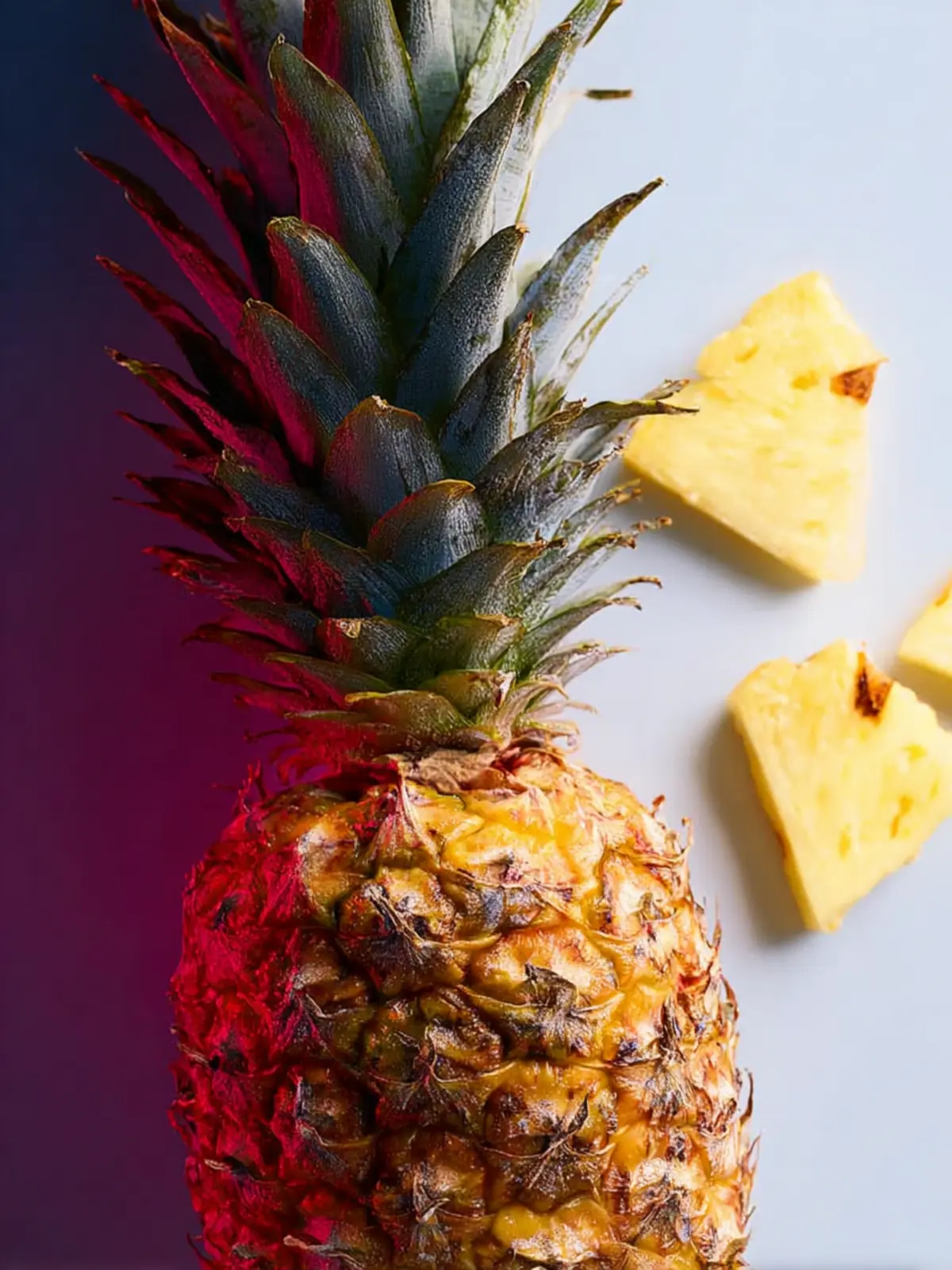
Cooking Tips and Notes for Cutting Pineapple
Cutting a pineapple can feel daunting, but once you’ve mastered how to cut a pineapple, you’ll find it’s a rewarding process that opens up a world of deliciousness. Picture this: you’re slicing into a vibrant, golden fruit, and the sweet aroma fills the air. It’s a moment that sets the stage for summer parties or unexpected snack attacks.
Choosing the Right Pineapple
- Look for a pineapple that feels heavy for its size; this indicates juiciness.
- Check for a fragrant aroma near the base. If it smells sweet, it’s likely ripe.
- The leaves should be green and fresh, not wilted or brown.
Essential Tools for Success
- A sharp chef’s knife is your best friend. Dull blades can lead to uneven cuts and potential accidents.
- A sturdy cutting board will keep your workspace safe and stable.
Slicing Techniques
- Start by trimming the top and base of the pineapple. This creates a flat surface, making it easier to peel.
- Stand the pineapple upright, and carefully cut down the sides to remove the skin, following the natural curve of the fruit.
- Once peeled, remove any remaining “eyes” (the small brown spots) with the tip of your knife.
By following these tips, you’ll not only enjoy fresh pineapple but also the satisfaction that comes with how to cut a pineapple like a pro! Happy slicing!
Serving Suggestions for Your Pineapple
When you’ve mastered how to cut a pineapple, you’ve unlocked a world of fresh, tropical possibilities. This vibrant fruit isn’t just a delight to slice; it serves beautifully in various dishes too. Whether you’re hosting friends or simply indulging in some self-care, here are a few serving ideas.
Tropical Fruit Salad
Combine fresh pineapple chunks with mango, kiwi, and strawberries for a colorful fruit salad. Toss in a splash of lime juice to enhance the sweetness, and watch it disappear at your next gathering!
Pineapple Salsa
For a zesty kick, mix diced pineapple with red onion, jalapeño, and cilantro. This salsa pairs perfectly with grilled fish or chicken. It’s a great way to brighten up your weeknight dinners.
Pineapple Smoothie
Blend pineapple with yogurt, a banana, and a splash of coconut milk for a refreshing morning boost. This smoothie not only tastes fantastic but also adds essential nutrients to your day.
With these ideas, your fresh pineapple can go from being just a fruit to a star of the table!
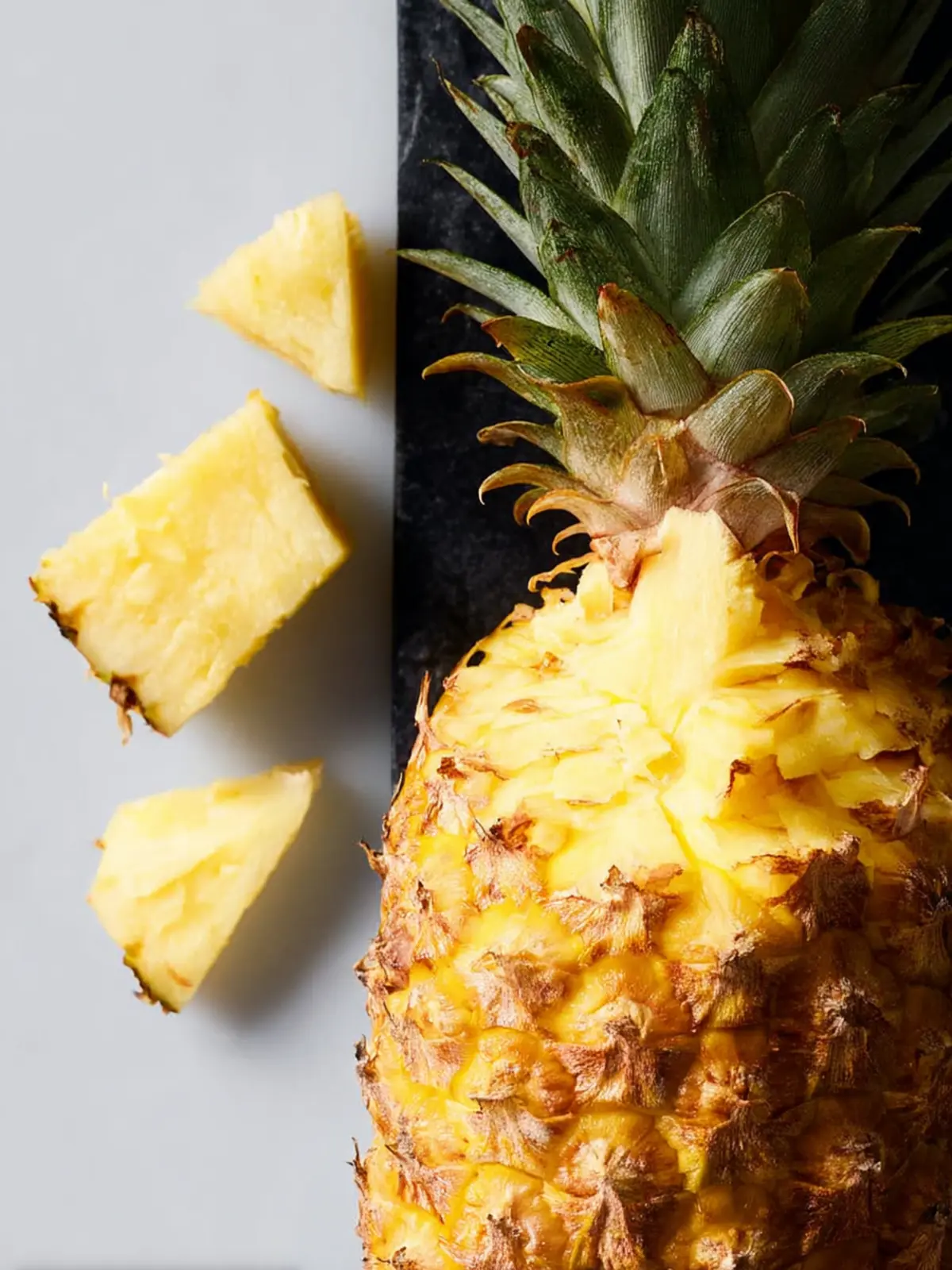
Time Breakdown for Cutting Pineapple
Preparation time
Before diving into the actual cutting, you’ll want to set aside about 10 minutes for prep. This includes selecting a ripe pineapple, washing it, and gathering your tools—like a sharp knife and a sturdy cutting board.
Resting time
While cutting doesn’t necessitate a resting period, you might want to let your freshly cut pineapple sit for a brief moment, maybe a minute or two to allow the juices to settle back in.
Total time
In total, learning how to cut a pineapple should take you around 15 minutes. This quick process will reward you with delicious, fresh pineapple bites, perfect for snacking or as an ingredient in your favorite recipes!
Nutritional Facts for Fresh Pineapple
Fresh pineapple is not just a delightful tropical treat but also a powerhouse of nutrition. Understanding its benefits enhances your culinary adventures, especially when learning how to cut a pineapple for your recipes.
Calories
A 100-gram serving of fresh pineapple contains about 50 calories, making it a light, guilt-free snack or ingredient for your dishes. Its natural sweetness satisfies your cravings without the added calories of processed sugars.
Vitamins
This juicy fruit is rich in vitamins, especially vitamin C, providing more than 100% of your daily requirement in a single serving. Pineapple also contains smaller amounts of vitamin A, which supports eye health, and several B vitamins that aid in energy metabolism.
Sugars
Fresh pineapple is naturally sweet, containing approximately 10 grams of sugar per 100 grams. Unlike refined sugars, the sugars found in pineapple come packed with fiber and nutrients, making them a delicious and nutritious choice for your diet.
FAQs about Cutting Pineapple
Cutting a pineapple may seem intimidating, but understanding the right tools and techniques can make the process enjoyable and straightforward. Here are some common questions that come up while learning how to cut a pineapple.
What utensil is best for cutting a pineapple?
The perfect utensil for cutting a pineapple is a sharp chef’s knife. A serrated knife can also work well if you have difficulty with straight cuts, as it can grip the pineapple’s tough exterior. Additionally, a cutting board with good grip is essential to stabilize the fruit while you slice through its fibrous flesh. Finally, consider using a pineapple corer for an easy, fuss-free experience if you plan to remove the core and create rings.
How do I tell if a pineapple is ripe?
Ripe pineapples are a delight, bursting with sweetness. To gauge ripeness, look for the following signs:
- Color: A ripe pineapple typically has a vibrant yellow-to-golden hue on its skin.
- Smell: Ripe pineapples will have a sweet, fragrant aroma at the base. If it has no scent, it might not be ripe yet.
- Feel: Press gently on the skin; a ripe pineapple should yield slightly under pressure.
- Leaves: The leaves should be green and fresh. If you’re able to pull one out easily, the pineapple is likely overripe.
Can I cut a pineapple ahead of time?
Absolutely! You can cut a pineapple ahead of time to enjoy its delicious flavor later. Once cut, store it in an airtight container in the refrigerator. It’s best consumed within 3 to 5 days for optimal freshness. Just remember, while the taste will be fantastic, the texture may soften slightly over time, so it’s ideal for recipes where precise texture isn’t critical, like smoothies or fruit salads.
Conclusion on Cutting a Pineapple
Understanding how to cut a pineapple can elevate your culinary skills and add a tropical flair to your dishes. After mastering the technique, you’ll find that fresh pineapple not only enhances fruit salads but also serves as a beautiful garnish for various desserts. It’s incredibly satisfying to peel, slice, and enjoy this vibrant fruit while reaping its health benefits, loaded with vitamins and antioxidants. Share your newfound skills with friends, and inspire them to incorporate fresh pineapple into their recipes. Happy slicing and savoring! Enjoy the deliciousness that fresh pineapple brings to your table!
Print
Pineapple Preparation
- Total Time: 30 minutes
- Yield: 4 servings 1x
- Diet: Vegan
Description
Learn how to properly prepare a pineapple for the best flavor and texture.
Ingredients
Scale
- 1 pineapple
Instructions
- Use a large chef’s knife to cut off the top of the pineapple.
- Turn the pineapple upside down and place it on a plate; allow it to rest 30 minutes. Since pineapples are stored stem side up, gravity makes the juices run to the bottom. Resting the pineapple upside down for 30 minutes helps the juices to run back down and distribute for evenly juicy pieces.
- After 30 minutes, cut off the other end of the pineapple.
- Remove the skin of the pineapple by slicing it off, following the shape of the pineapple.
- Slice the pineapple in half lengthwise.
- Lay down each pineapple half on the flat cut side, and cut it in half lengthwise again.
- Remove the core by cutting it out at an angle.
- Slice each quarter in half lengthwise, then turn it and slice in the other direction to create pineapple chunks.
Notes
- Resting the pineapple upside down helps to ensure even distribution of juices.
- Prep Time: 30 minutes
- Category: Fruit Preparation
- Method: Fresh
- Cuisine: Tropical
Nutrition
- Serving Size: 1 cup
- Calories: 82
- Sugar: 10 g
- Sodium: 1 mg
- Fat: 0.2 g
- Saturated Fat: 0 g
- Unsaturated Fat: 0 g
- Trans Fat: 0 g
- Carbohydrates: 21 g
- Fiber: 2.3 g
- Protein: 0.9 g
- Cholesterol: 0 mg