Follow Me On Social Media!
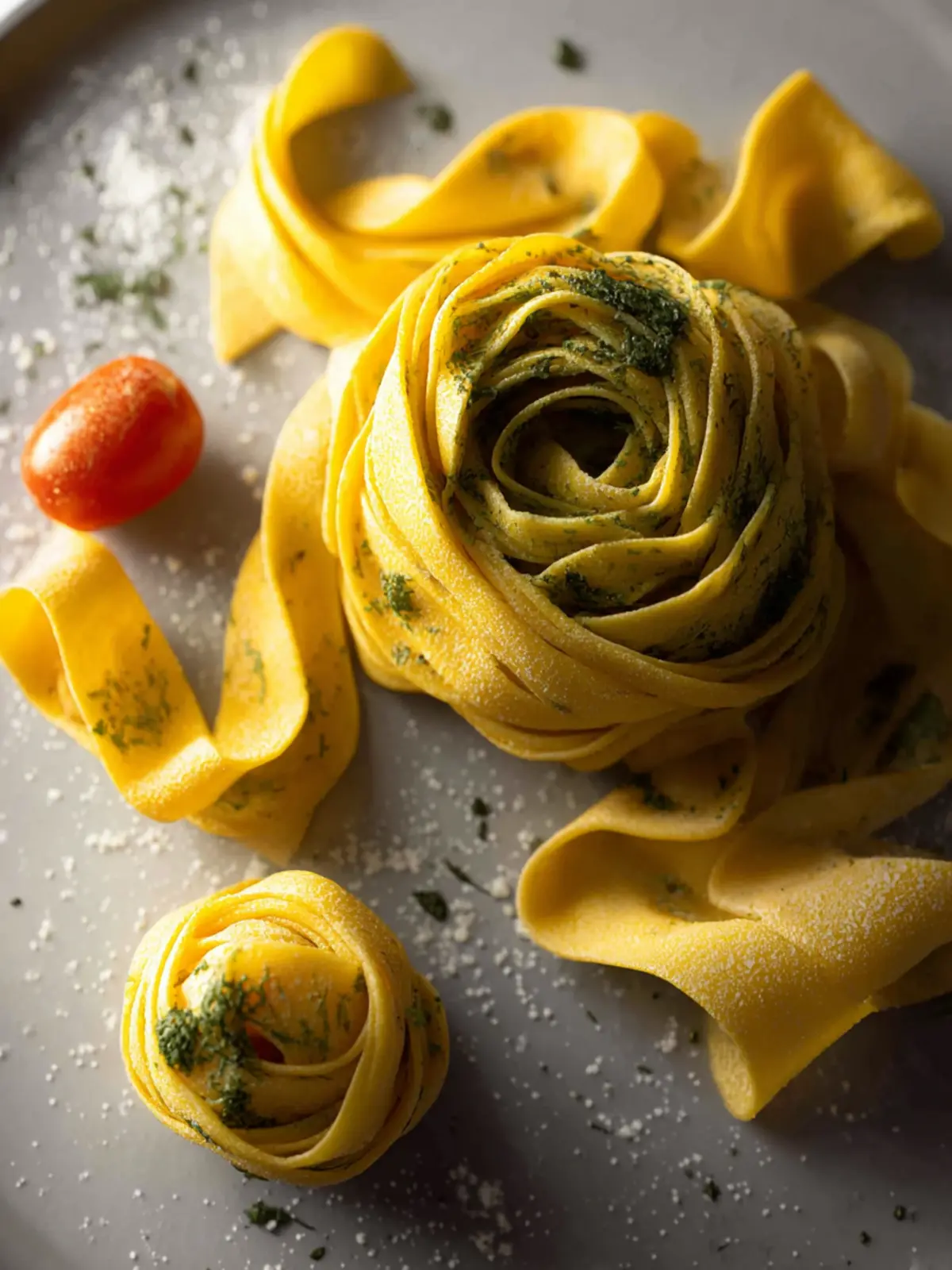
Homemade Pasta: Easy Steps to an Irresistibly Fresh Dinner

Introduction to Homemade Pasta
Imagine the delight of pulling a long strand of homemade pasta from a pot of boiling water, its fresh, chewy texture promising a culinary experience that store-bought noodles simply can’t match. Making pasta at home is not just about the end product; it’s a journey into the world of flavors and traditions that brings family and friends together around the dinner table. There’s something incredibly satisfying about transforming simple ingredients into a delightful dish that embodies your personal touch.
Why make homemade pasta at home?
Crafting homemade pasta elevates everyday meals to extraordinary experiences, and there are compelling reasons to embark on this delightful culinary adventure. Here are just a few:
-
Quality Control: You have complete control over the ingredients. Choosing high-quality flour and fresh eggs means you’re making a dish that tastes significantly better than commercial alternatives packed with preservatives.
-
Customization: Have dietary restrictions or flavor preferences? Homemade pasta allows you the freedom to create variations that suit your taste or dietary needs. Want to experiment with spices or add a hint of spinach? The possibilities are endless!
-
Culinary Skill Development: Making pasta from scratch is a rewarding hands-on skill that sharpens your cooking techniques. With practice, you’ll master the art of kneading, rolling, and cutting, building confidence in the kitchen.
-
Connection to Tradition: Pasta-making is rooted in rich cultural history across the globe. Engaging in this process can be a beautiful way to connect with your heritage or explore a new culinary culture. You may find that many families have their own recipes and rituals, turning pasta night into a cherished tradition.
Let’s not forget the aroma of fresh pasta boiling on the stove—it’s a sensory experience waiting to be enjoyed. By making homemade pasta, you open the door to a world of flavor, tradition, and creativity, creating not just a meal, but a memory. So, roll up your sleeves and let’s dive into the art of making pasta from scratch!
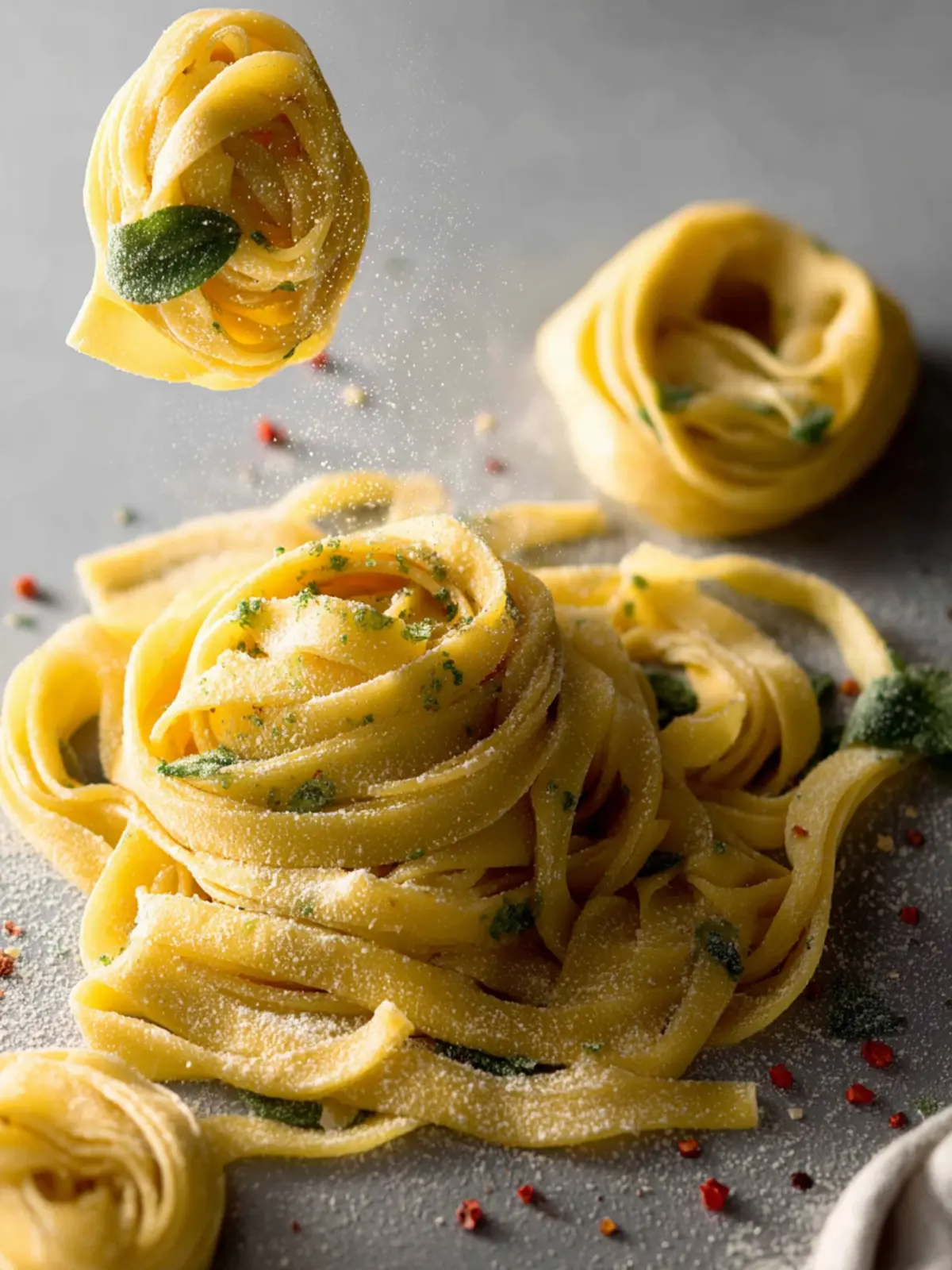
Key Ingredients for Homemade Pasta
Creating your own homemade pasta is an art that transports you to Italy with every bite. The beauty of making fresh pasta lies in the simplicity of its ingredients, each playing a vital role in achieving that perfect bite.
-
Flour: For pasta, I prefer using “00” flour, which is finely milled and yields a silky texture. You can also use all-purpose flour if that’s what you have on hand. The key is to make sure it’s high quality, as it forms the foundation of your pasta.
-
Eggs: Fresh eggs are absolutely essential for rich flavor and vibrant color. The yolks add a luxurious texture, making the pasta tender and delicious. In a pinch, you could explore using egg substitutes, but nothing compares to the traditional approach.
-
Salt: A touch of salt in your dough enhances the flavor significantly. It’s often overlooked, but remember that a simple pinch can elevate your homemade pasta from basic to extraordinary!
-
Olive Oil: While not strictly necessary, adding a bit of olive oil can make your dough smoother and easier to work with. It brings a subtle richness to the final product.
-
Water: Sometimes, you might need a bit of water to bring the dough together, especially if the flour absorbs moisture differently. Always add it sparingly until you reach the right consistency.
With these key components, you’ll be well on your way to crafting delicious dishes that showcase your culinary skills!
Why You’ll Love This Recipe
The charm of homemade pasta transcends mere ingredients—it’s an experience that transforms an ordinary dinner into a culinary adventure. Picture this: the dough slowly coming together under your fingertips, the satisfying sound of a rolling pin gliding over the surface, and the aroma of freshly made pasta wafting through your kitchen. There’s something immensely rewarding about crafting pasta from scratch that makes it worth every moment spent.
Freshness Like No Other
When you make your own pasta, you’re not just cooking; you’re creating a masterpiece. The flavors are unparalleled compared to store-bought alternatives. With each bite of your homemade pasta, you’ll appreciate the rich, chewy texture and the ability to customize it however you like. Want to flavor your dough with herbs or spices? Go for it! The options are practically limitless, allowing you to express your personal culinary flair.
A Fun Activity to Share
This recipe is perfect for a casual weekend get-together. Invite a few friends over, pour a glass of wine, and enjoy the process together. There’s laughter in the flour-covered counters and a sense of accomplishment as everyone rolls, cuts, and shapes their pasta. By the end, you’ll not only have delicious food to share but also unforgettable memories.
Embarking on the journey of making homemade pasta isn’t just about the meal; it’s about savoring the moments and connections formed around the table.
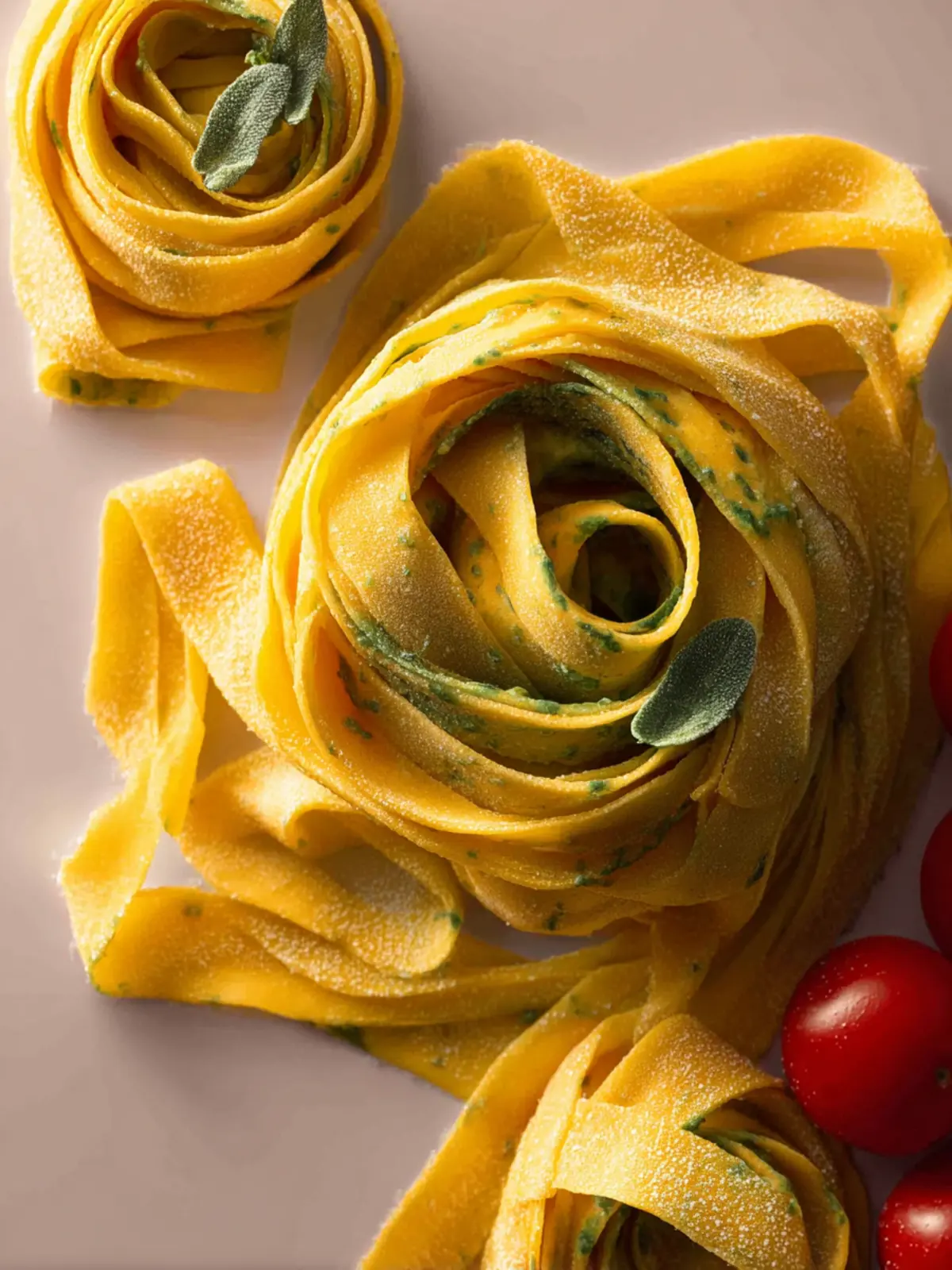
Variations of Homemade Pasta
Exploring the world of homemade pasta opens the door to endless culinary creativity. Each variation not only brings a different flavor and texture but can also cater to various dietary needs and preferences.
Fettuccine
This classic pasta is wider than spaghetti, making it perfect for thicker sauces. Whether you’re tossing it with a creamy Alfredo or a savory mushroom sauce, fettuccine offers a delightful bite. Its texture holds onto flavorful sauces beautifully, making every bite satisfying.
Ravioli
There’s something truly special about homemade ravioli. These little pockets of goodness can be filled with an array of ingredients, from traditional ricotta and spinach to inventive combinations like butternut squash or wild mushroom. The homemade touch really shines through, allowing you to experiment with seasonal ingredients.
Whole Wheat Pasta
For those who are health-conscious, whole wheat pasta is an excellent choice. It has a nuttier flavor and a heartier texture than its white counterpart. Plus, it provides added fiber and nutrients, making your meal more filling without sacrificing that classic pasta experience.
Spinach Infused Pasta
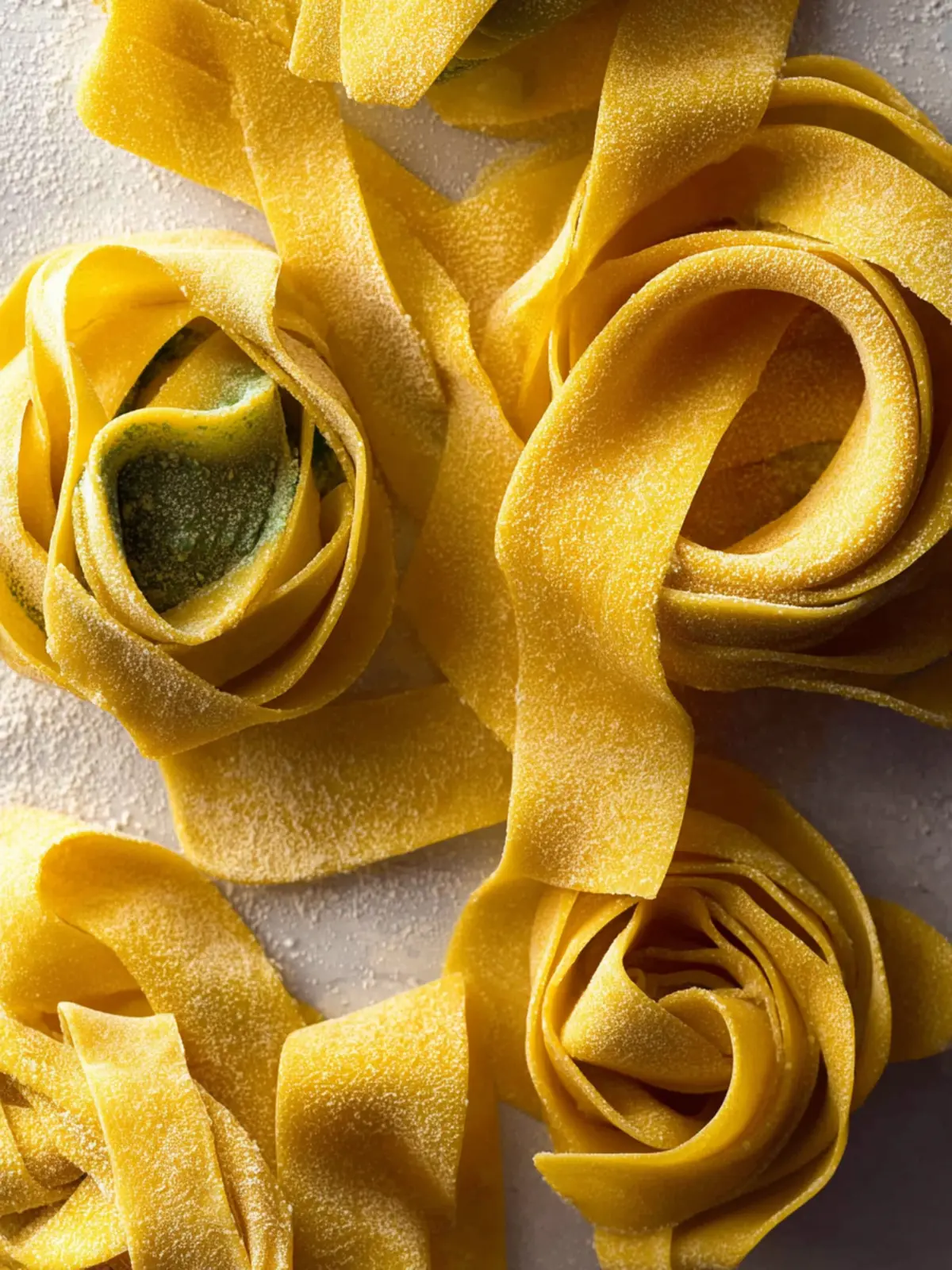
If you’re looking to impress your dinner guests, consider making spinach-infused pasta. It not only introduces a vibrant green color but also packs in some extra nutrients. Toss it with light sauces or serve it as a stand-alone dish to highlight its unique color and flavor.
By experimenting with these variations, crafting your own homemade pasta can be as rewarding as it is delicious. Each type offers new ways to enjoy this timeless dish, inviting creativity into your kitchen.
Cooking Tips and Notes
Homemade pasta is a delightful journey that invites you to explore the art of Italian cooking right in your kitchen. As you dive into this magical experience, here are some valuable tips and notes to help you create the perfect homemade pasta that impresses every time.
Flour Matters
Choosing the right flour is essential for that perfect texture. While all-purpose flour is a good option, consider using “00” flour if you can find it. This finely milled flour gives your pasta a silky finish and delicate chewiness that’s hard to beat.
Resting the Dough
Letting your dough rest is a crucial step that shouldn’t be skipped. After you knead the dough, wrap it in plastic wrap and let it rest for at least 30 minutes. This relaxes the gluten, making it easier to roll out and shape.
Roll with Love
When rolling out the pasta, patience is key. Start thick and work your way down to thinner settings. You want to aim for a thickness of about 1/16 inch for most pasta types. And, don’t be afraid to sprinkle a little flour to prevent sticking!
Cutting Techniques
Different pasta shapes require different cutting techniques. Use a sharp knife for tagliatelle or a pasta cutter for ravioli. Ensure your pasta is well-floured to prevent clumping.
Cooking Fresh Pasta
Fresh homemade pasta cooks much quicker than dried pasta. Keep an eye on it and taste for doneness after just 2-3 minutes in boiling water. Enjoy your cooking adventure!
Serving Suggestions
When you create homemade pasta, you’re not just whipping up a meal; you’re crafting a delightful experience that welcomes friends and family to gather around your table. Serve your pasta fresh and warm to truly appreciate the hard work you’ve put into it.
Classic Pairings
- Marinara Sauce: A simple tomato sauce made with garlic, basil, and a hint of red pepper flakes pairs wonderfully with your fresh pasta. The acidity of the tomatoes complements the richness of the noodles beautifully.
- Pesto: For a vibrant twist, toss your pasta in homemade basil pesto. The basil’s freshness elevates each bite, making it feel almost gourmet.
Add Some Protein
- Grilled Chicken: Sliced grilled chicken can transform your dish into a hearty meal. Just a sprinkle of parmesan on top ties everything together nicely.
- Sautéed Shrimp: If you’re in the mood for seafood, sauté shrimp in olive oil and garlic for a quick, indulgent addition that elevates your homemade pasta.
Finishing Touches
- Herbs and Cheese: Fresh herbs like parsley or basil add brightness, while freshly grated parmesan cheese enhances flavor and texture.
- Vegetables: Consider roasting seasonal vegetables to toss in with your pasta. They add both color and nutrients, making for a well-rounded dish.
Create these combinations to impress and share the joy of homemade pasta with everyone at your table.
Time Breakdown for Homemade Pasta
Creating delightful homemade pasta is not just a meal; it’s an experience worth savoring. Engaging in this culinary adventure requires a bit of time commitment, but the reward is unparalleled.
Preparation time
Start by gathering your ingredients and mixing the dough, which usually takes about 20 minutes. It’s all about setting the stage for that perfect pasta dish!
Resting time
Let your dough relax for at least 30 minutes under a damp cloth or wrapped in plastic. This step allows the gluten to relax, making it easier to roll out.
Cooking time
Once rolled and cut, cooking your homemade pasta only takes around 2-4 minutes in boiling salted water. Fresh pasta cooks much quicker than dried varieties.
Total time
In total, you’re looking at approximately 1 hour for the entire process, from preparation to cooking. Ready to impress your dinner guests? Your homemade pasta is just a delicious hour away!
Nutritional Facts for Homemade Pasta
When you decide to craft homemade pasta, you’re embarking on a delicious journey that not only satisfies your taste buds but also informs you about what you’re eating. Let’s dive into the nutritional aspects of this delightful dish.
Calories
Homemade pasta typically contains around 200-220 calories per serving. It’s a hearty option, especially when paired with vibrant sauces or fresh vegetables, making it a fulfilling meal.
Carbohydrates
Packed with approximately 40-45 grams of carbohydrates, homemade pasta provides your body with essential energy. This makes it an excellent choice for those active days when you need a quick fuel source.
Protein
With about 7-9 grams of protein per serving, homemade pasta offers a satisfying balance of nutrients. The protein content helps in muscle repair and growth, especially valuable for a post-workout meal.
By understanding these nutritional facts, you can enjoy your homemade pasta while making informed choices about your meal!
FAQs about Homemade Pasta
Creating your own homemade pasta is not just a culinary adventure; it’s a chance to connect with tradition in your own kitchen. Whether you’re preparing a cozy family dinner or impressing guests, having answers to common questions can maximize your pasta-making experience.
Can I make pasta in advance?
Absolutely! Making homemade pasta in advance is a great way to save time on busy nights. Just prepare your pasta dough, roll it out, and cut it into your desired shapes. Lay the cut pasta on a floured surface or a baking sheet lined with parchment paper, ensuring they don’t stick together. Once dried slightly, you can store them in the refrigerator for up to two days or freeze them for longer. When ready to cook, just drop the fresh pasta straight into boiling water without thawing!
What’s the best way to store homemade pasta?
For short-term storage, cover your fresh homemade pasta in an airtight container or wrap it tightly in plastic wrap if refrigerated. For longer storage, freeze it. Lay the pasta flat in a single layer on a baking sheet until frozen, then transfer to a freezer-safe bag or container. This prevents the noodles from clumping together.
How do I cook fresh pasta?
Cooking fresh homemade pasta is quick and easy! Bring a large pot of salted water to a rolling boil. Add your pasta and let it cook for 2 to 5 minutes, depending on the thickness. Fresh pasta cooks much faster than dried, so keep an eye on it, testing for that delightful al dente bite. Once cooked, drain and toss with your favorite sauce, or serve with a drizzle of olive oil and fresh herbs for a simple yet satisfying meal.
Conclusion on Homemade Pasta
Crafting homemade pasta is more than just a cooking activity—it’s a delightful journey that enhances your kitchen skills and offers a warm connection to the food you share. One bite of your freshly made noodles can transport you to a rustic Italian kitchen, where the aroma of sauce mingles with laughter and stories. By embracing this process, you not only enjoy a delicious meal but also foster a sense of accomplishment. So, put on your apron, gather your ingredients, and let the magic of homemade pasta bring joy to your dining table. Trust me, the experience is unforgettable!
Print
Homemade Pasta
- Total Time: 62 minutes
- Yield: 4 servings 1x
- Diet: Vegetarian
Description
Delicious homemade pasta, perfect for your favorite sauces.
Ingredients
Scale
- 1½ cups all-purpose flour
- ¼ cup semolina flour
- ½ teaspoon kosher salt
- 2 large eggs
- 1 egg yolk
- 2 tablespoons olive oil
- 2 tablespoons ice water (if needed)
Instructions
- Add the all-purpose flour, semolina flour, and kosher salt to the bowl of a food processor and pulse to combine.
- Add the eggs, egg yolk, and olive oil, and pulse to combine again. The dough should form into a ball around the blade. If it doesn’t add a tablespoon of ice water and pulse again. Repeat until the dough forms into a ball.
- Transfer the dough to a clean work surface and knead for 15-20 seconds, until a smooth ball forms (the dough should be very tough).
- Wrap the dough tightly in plastic wrap and allow it to rest at room temperature for 25 minutes.
- Once the dough has rested, it should be soft to the touch. Divide it in half and wrap one half in plastic wrap to keep it from drying out.
- Lightly dust the other half of the pasta with semolina flour and roll it according to the manufacturer’s instructions on your pasta machine.
- Lightly dust your work surface with semolina flour and, using a rolling pin, roll the pasta into a long rectangle until it is thin enough that you can see your hand through it.
- Fold it in thirds (like you would a letter) and roll it again until you can see your fingers through it– this will take some muscle!
- Slice into your desired size and place the pasta on a lightly floured tray while you repeat the process with the second piece of dough.
- Begin with the largest setting (#1) and pass the pasta through starting from the top.
- Turn the knob to one setting smaller (#2) and pass the pasta through again.
- Fold the dough into thirds (like you would fold a letter) and return the pasta machine to the largest setting (#1). Lightly flour the pasta with semolina flour and pass the dough through the machine.
- Turn the knob to #2 and pass the pasta through. Continue with settings 3, 4, and 5.
- Once the pasta has been passed through #5, you should be able to see your fingers through it. If you can’t, pass it through setting #6.
- Slice into your desired size and place the pasta on a lightly floured baking sheet while you repeat with the remaining dough.
- Set the cut pasta aside to dry at room temperature for at least 30 minutes before cooking.
- To cook, bring a pot of salted water to a boil and cook the pasta for 1-2 minutes, or until it floats to the top. Transfer to your sauce and serve.
Notes
- Make sure to keep the dough covered when not in use to prevent it from drying out.
- You can use a pasta machine or a rolling pin to roll out the dough.
- Fresh pasta cooks much quicker than dried pasta, so keep an eye on it.
- Prep Time: 30 minutes
- Cook Time: 2 minutes
- Category: Pasta
- Method: Boiling
- Cuisine: Italian
Nutrition
- Serving Size: 1 plate
- Calories: 200
- Sugar: 1g
- Sodium: 200mg
- Fat: 8g
- Saturated Fat: 1g
- Unsaturated Fat: 5g
- Trans Fat: 0g
- Carbohydrates: 30g
- Fiber: 2g
- Protein: 7g
- Cholesterol: 60mg