Follow Me On Social Media!

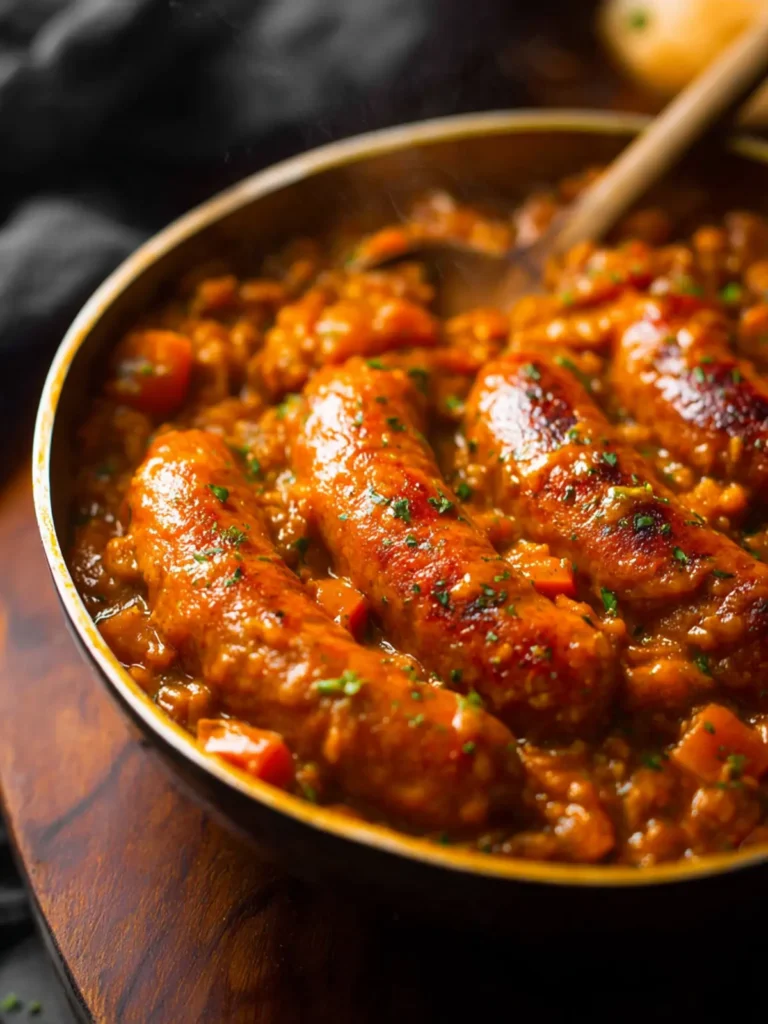
Jambalaya Bliss: Easy, Flavor-Packed Comfort in Every Bite

Introduction to Jambalaya
Imagine a bustling kitchen filled with the aromas of spices and savory ingredients dancing together in harmony; that’s the essence of jambalaya. This quintessential Creole dish, originating from Louisiana, tells a rich story of cultural influences, where French, Spanish, and African culinary traditions come together. Each plate of jambalaya is not just a meal; it’s an experience that embodies the warmth of shared gatherings and the joy of comfort food.
What makes jambalaya such a comforting dish?
At its core, jambalaya is all about satisfaction—a true one-pot meal that can bring people together. The base of this dish starts with a flavorful blend of aromatic spices, such as paprika and cayenne, giving it that signature Louisiana kick. The ingredients simmer together, allowing the rice to absorb all the sumptuous flavors, ensuring every bite is bursting with taste.
Here are a few key characteristics that make jambalaya a comforting classic:
-
Heartiness: Packed with protein options like chicken, sausage, and shrimp, jambalaya is a fulfilling choice. It’s a complete meal in itself, making it perfect for feeding a crowd.
-
Versatility: You can customize it to your taste. Whether you’re a meat lover or prefer a vegetarian version, the beauty of jambalaya lies in its flexibility. Want to add extra vegetables? Go for it!
-
Aroma and Flavor: There’s something undeniably comforting about a dish that fills your home with rich scents of sautéed onions, garlic, and tomatoes. It awakens your senses and invites you to the table.
-
Cultural Connection: Eating jambalaya can feel like a celebration of history. Each spoonful offers a taste of the Deep South, making it not just a meal, but a tradition worth sharing.
So, whether you’re looking to impress guests at a dinner party or simply want to enjoy a comforting weeknight meal, jambalaya is sure to be your go-to dish—bringing intimacy and joy into any dining experience.
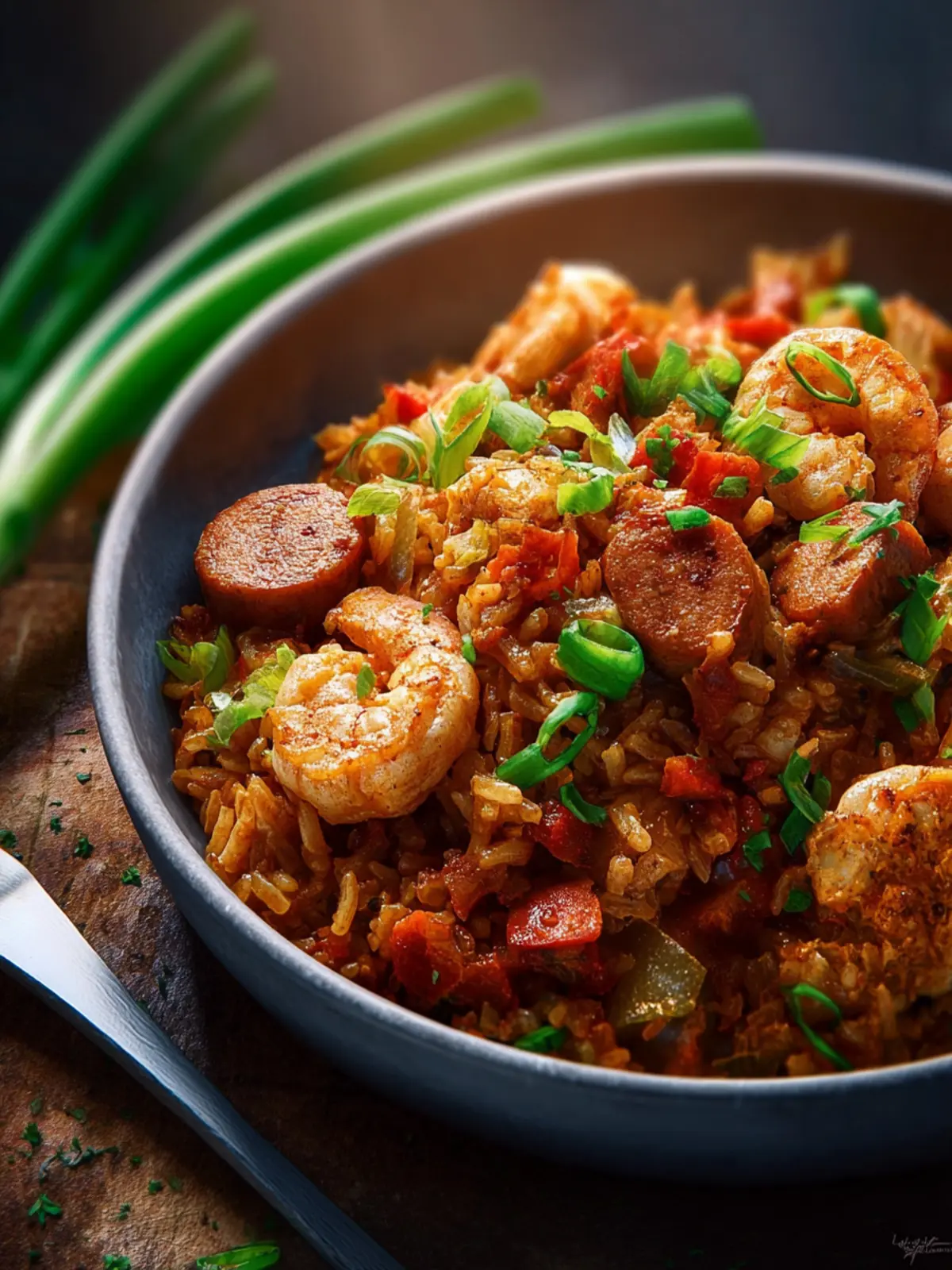
Key Ingredients for Jambalaya
Creating a delicious bowl of jambalaya is all about selecting the right elements that pack a punch of flavor. Each ingredient plays a crucial role in building that beloved, distinctive taste.
-
Rice: Long-grain rice is my go-to choice for jambalaya. It absorbs all the flavors beautifully without getting too mushy. If you’re feeling adventurous, you may even try using jasmine rice for a fragrant twist.
-
Protein: Traditional jambalaya often highlights a mix of proteins. I love using andouille sausage for its smoky kick, but don’t shy away from shrimp or chicken. These additions amp up the dish’s complexity and heartiness.
-
Vegetables: The “Holy Trinity” of Cajun cooking—bell peppers, onions, and celery—is essential. These aromatic veggies not only provide a depth of flavor but also contribute to the vibrant color of your jambalaya.
-
Tomatoes: Diced tomatoes add a nice acidity to balance the richness of the meats. You can opt for fresh tomatoes or canned varieties, depending on the season and what you have on hand.
-
Spices: A robust blend of spices, such as cayenne pepper, paprika, and thyme, is key for infusing that characteristic bold flavor. Adjust the spice level to your own taste, but don’t skip them!
By thoughtfully choosing your ingredients, you’ll craft a jambalaya that’s bursting with flavor and warmth—perfect for sharing with friends on a cozy evening.
Why You’ll Love This Jambalaya
Imagine diving into a bowl of jambalaya, where every bite brims with flavors that transport you straight to the lively streets of New Orleans. This dish is a vibrant celebration of life itself, combining a rich medley of spices, meats, and fresh vegetables that harmonize beautifully.
What’s not to love about jambalaya? Here’s why you’ll find yourself making this recipe a staple in your kitchen:
- Flavor Explosion: The robust blend of spices like paprika, cayenne, and oregano infuses the rice and proteins with unforgettable warmth and character.
- Versatile Ingredients: Use whatever proteins you have on hand—chicken, sausage, shrimp, or even tofu for a vegetarian twist. The dish adapts to your pantry, ensuring every meal is unique.
- One-Pot Wonder: Quick clean-up is a major bonus. Once the ingredients are in, let them mingle and develop those delectable flavors, leaving you time to relax.
- Crowd-Pleaser: Hosting friends? Bring out this jambalaya, and watch them gather around the table, captivated by its colorful presentation and comforting aroma.
Ultimately, this dish brings both joy and satisfaction, making it the perfect meal for busy professionals looking for a burst of flavor in their weeknight dinner!
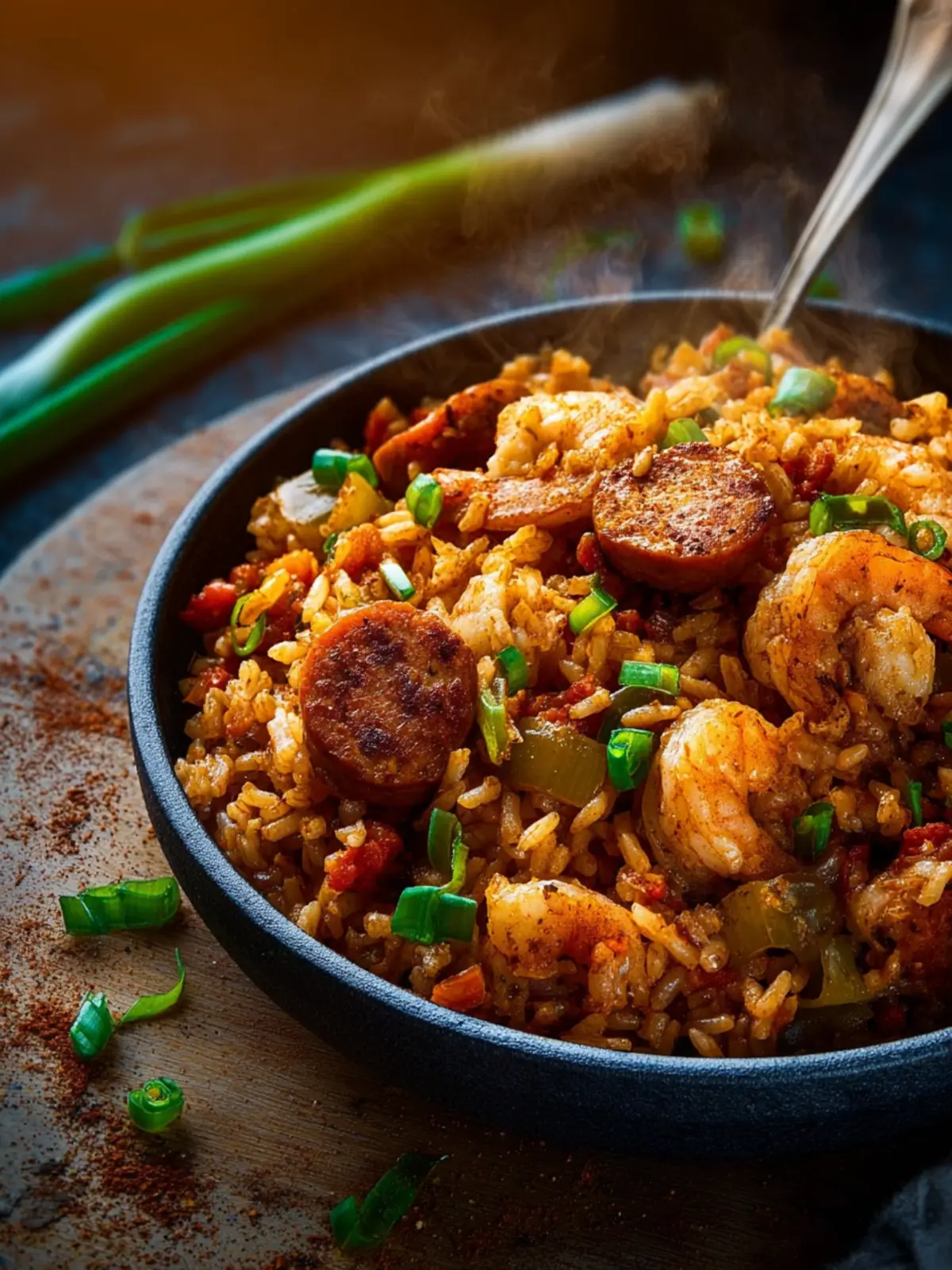
Variations on Traditional Jambalaya
When it comes to jambalaya, the traditional dish is just the beginning of a flavor adventure! While the classic combination of shrimp, sausage, and chicken over rice is undeniably delicious, there are countless variations to explore. Each twist on this beloved recipe can transport your taste buds to different culinary landscapes.
Seafood Delight
For a true taste of the coast, consider a seafood jambalaya. Replace the meats with an assortment of fresh seafood like scallops, mussels, and fish. This version not only highlights the ocean’s bounty but also infuses a subtle sweetness into the dish that pairs beautifully with the spices.
Vegetarian Twist
Craving a meatless option? A vegetarian jambalaya can be just as hearty and satisfying. Load up the pot with seasonal vegetables like bell peppers, zucchini, and okra, and use vegetable broth for a rich base. Not only does this variation cater to plant-based eaters, but it also features vibrant colors that make the dish visually appealing.
Spicy Cajun Kick
For those who like it hot, a spicy Cajun jambalaya might be the perfect choice. Add extra cayenne pepper or diced jalapeños for a fiery kick. This variation honors the dish’s roots while bringing a bold heat that can awaken your senses with every bite.
Each of these variations on jambalaya offers a unique experience while staying true to the dish’s comforting essence. What will you try first?
Cooking Tips and Notes for Making Perfect Jambalaya
Creating the ideal jambalaya is an art that balances flavors, textures, and a bit of personal flair. Every pot has a unique story, often steeped in family traditions and cultural roots, and yours can be just as special.
Use Quality Ingredients
The essence of a great jambalaya lies in the quality of your ingredients. Opt for fresh vegetables like bell peppers and onions for vibrant flavor. For proteins, consider a mix of chicken, sausage, and shrimp—this variety brings the dish to life.
Get the Right Rice
Choose long-grain rice, as it absorbs flavors without getting mushy. Remember to rinse it before cooking to remove excess starch; this simple step can make a big difference in ensuring that your rice is fluffy and well-separated.
Layer the Flavors
Building depth in your dish starts with sautéing your meats and vegetables first. This browning process enhances the overall taste profile. Don’t skip the spices; they’re essential to achieving that signature kick.
Simmer with Care
Once you add your broth, let your jambalaya simmer gently. A slow cook allows all the flavors to meld beautifully. Avoid lifting the lid too often, as this can disrupt the cooking process.
Rest Before Serving
After cooking, let your jambalaya sit for about 10 minutes. This resting period allows the rice to absorb any remaining moisture, resulting in a perfectly balanced dish that’s ready to impress.
Incorporating these tips will surely elevate your jambalaya game, making every serving a deliciously memorable experience!
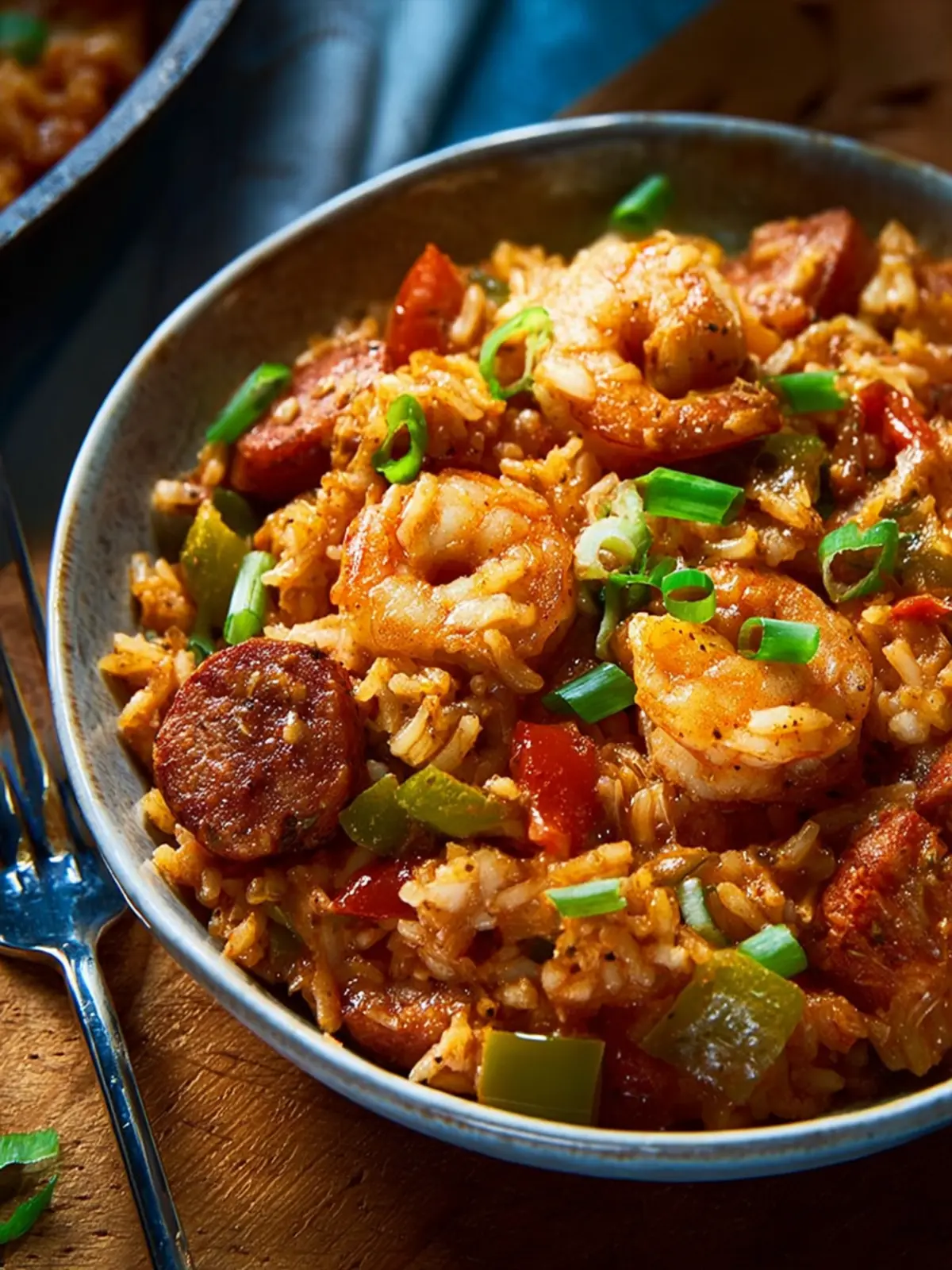
Serving Suggestions for Jambalaya
Jambalaya is a vibrant dish that transports you straight to the heart of Louisiana with its rich flavors and colorful ingredients. To elevate your jambalaya experience, consider a few creative serving options that will impress your guests and awaken their taste buds.
-
Accompaniments: Pair this hearty dish with a side of crusty French bread or garlic bread. These will help soak up the delicious sauce and add a wonderful texture contrast.
-
Garnishes: A sprinkle of fresh parsley or green onions adds a pop of color and freshness. You might also want to squeeze a bit of lime juice on top for a zesty kick that brightens up the flavors.
-
Salads: A light green salad dressed with a simple vinaigrette complements the hearty richness of jambalaya beautifully. Consider using arugula or mixed greens for that peppery nuance.
-
Wine Pairing: For a drink that pairs well, a Crisp Sauvignon Blanc or even a lightly spiced Red Zinfandel can enhance the overall dining experience.
Highlighting your jambalaya with these simple yet effective suggestions not only enriches the meal but also creates a delightful atmosphere for you and your friends. Enjoy!
Time Breakdown for Cooking Jambalaya
Cooking jambalaya can feel like a labor of love, but it’s so worth it when you experience that burst of flavors all in one pot. Let’s break down the time you’ll need to whip up this classic dish.
Preparation time
To set yourself up for success, allocate about 15-20 minutes for preparation. This includes chopping your vegetables, measuring out spices, and prepping your proteins. Having everything ready makes the cooking process go much smoother.
Cooking time
The actual cooking time for jambalaya is around 30-35 minutes. This includes browning the meats, tossing in the veggies and rice, and letting all those flavors meld together beautifully.
Total time
In total, you’re looking at approximately 45-55 minutes from start to finish. Grab a friend or a glass of wine while you cook, and enjoy the process! The smell alone will be worth it.
Nutritional Facts for Jambalaya
Understanding the nutritional facts of jambalaya not only helps you enjoy your hearty meal guilt-free but also supports your health goals. When you savor a bowl of this classic dish, here’s what you can expect in terms of nutrition:
Calories
A single serving of jambalaya typically contains about 250–300 calories. This makes it a satisfying yet relatively light option for dinner or lunch.
Protein
Packed with protein, jambalaya provides about 15–20 grams per serving, thanks to its blend of meats like chicken and sausage, coupled with the goodness of shrimp.
Sodium
While delicious, jambalaya can be on the higher side when it comes to sodium. A serving may contain around 800–1,200 mg of sodium, largely due to seasonings and stock used.
Overall, jambalaya can be both a hearty and nutritious choice, especially when you choose your ingredients mindfully!
FAQ about Jambalaya
In the heart of Louisiana, jambalaya is not just a dish; it’s a celebration of culture, history, and flavor. This one-pot wonder is beloved for its rich blend of ingredients and spices. Below, you’ll find answers to common questions about this delicious jambalaya dish, ensuring you can enjoy it to the fullest.
Can I make jambalaya ahead of time?
Absolutely! Jambalaya can be prepared a day in advance, which allows the flavors to deepen. Simply follow your recipe, let it cool, and store it in an airtight container in the refrigerator. When you’re ready to serve, gently reheat it on the stove, adding a splash of broth if it looks too thick. This makes weekday meals a breeze, letting the hearty flavors shine even more!
What are some common substitutions for jambalaya?
If you’re missing an ingredient, don’t fret! Here are some common substitutions:
- Protein: Swap shrimp with chicken or sausage, or make it vegetarian by using beans.
- Rice: While long-grain rice is traditional, any medium-grain rice can work in a pinch.
- Spices: If you don’t have Cajun seasoning, mix paprika, garlic powder, onion powder, and a pinch of cayenne.
Feel free to get creative and tailor the dish to your taste!
How do I store leftover jambalaya?
For any leftovers, allow the jambalaya to cool to room temperature. Then transfer it to airtight containers for the fridge. It will stay fresh for 3-4 days. To reheat, stovetop is best to maintain texture, but microwaving works too! Just be sure to add a splash of water to keep it moist. Enjoying that leftover jambalaya is almost as good as the first serving!
Conclusion on Jambalaya
In closing, jambalaya is more than just a meal; it’s a celebration of vibrant flavors and a rich cultural history. As you explore this dish, you’ll find joy in its versatility, adapting the ingredients to fit your taste and dietary preferences. Whether you go for the classic recipe or experiment with new proteins and spices, each bowl is an invitation to gather with friends and family. Make it your own, and don’t shy away from sharing your version of jambalaya. No matter how you serve it, this dish is sure to warm hearts and bring smiles to the table.
Print
Chicken and Andouille Sausage Jambalaya
- Total Time: 45 minutes
- Yield: 6 servings 1x
- Diet: none
Description
A flavorful jambalaya made with chicken, sausage, and shrimp, perfect for a hearty meal.
Ingredients
Scale
- 1 tablespoon olive oil
- 1 lb chicken breast or thighs, cut into bite-sized pieces
- 8–12 ounces chicken andouille sausage, sliced into ¼ inch thick rounds
- 8–16 ounces large raw shrimp (peeled and deveined)
- 1 large onion, diced
- 4–6 cloves garlic, roughly chopped
- 3 ribs of celery, sliced
- 1 red bell pepper, diced
- 1 green bell pepper, diced
- 1/2 a jalapeno, finely chopped
- 1 1/2 cups extra long-grain white rice (or use basmati or jasmine)
- 2 heaping teaspoons smoked paprika
- 1 teaspoon dry thyme
- 1 teaspoon dry ground sage or oregano
- ½ teaspoon ground mustard powder
- 2 bay leaves
- 14-ounce can of crushed tomatoes
- 3–4 cups of chicken broth (or shellfish broth)
- 1 teaspoon salt, more to taste
- 1 teaspoon black pepper
- Garnish: green onions and hot sauce
Instructions
- Heat olive oil in a large 12-inch skillet over medium-high heat. Add the chicken pieces and season with salt and pepper. Brown it, but no need to cook it through, lowering the heat if necessary. Scoop this onto a large plate.
- To the same pan, add the sausage, browning both sides, then place it with the chicken. Add the shrimp and quickly brown both sides, giving it some color. Place it with the sausage and chicken.
- To the same pan (wipe it out if you want) add a little more olive oil. Add the onions and garlic and saute over medium-high heat until fragrant and tender.
- Lower the heat to medium, add the celery, bell peppers, and jalapeno, and stir until just softened.
- Add the rice, smoked paprika, thyme, sage or oregano, mustard powder, bay leaves, and give a good stir for one minute.
- Stir in the crushed tomatoes and 3 cups of the chicken broth, then season with salt and pepper. Add the chicken, sausage, and any optional veggies (wait to add the shrimp).
- Bring to a simmer, cover, and cook over medium-low heat for 25-30 minutes, until the rice is perfectly tender. Stir every 7 minutes or so to prevent burning, adding more broth as needed.
- When the rice is almost done, nestle in the seared shrimp. Continue cooking, covered, until the shrimp is cooked through and the rice is tender.
- Adjust salt and pepper to taste. Serve with the green onions and optional hot sauce.
Notes
- For best results, use a mix of chicken broth or shellfish broth according to preference.
- Prep Time: 15 minutes
- Cook Time: 30 minutes
- Category: Dinner
- Method: stovetop
- Cuisine: Cajun
Nutrition
- Serving Size: 1 cup
- Calories: 450
- Sugar: 2g
- Sodium: 800mg
- Fat: 15g
- Saturated Fat: 3g
- Unsaturated Fat: 10g
- Trans Fat: 0g
- Carbohydrates: 56g
- Fiber: 2g
- Protein: 30g
- Cholesterol: 130mg